
25 Profitable Reselling Ideas for Indian Businesses 2024
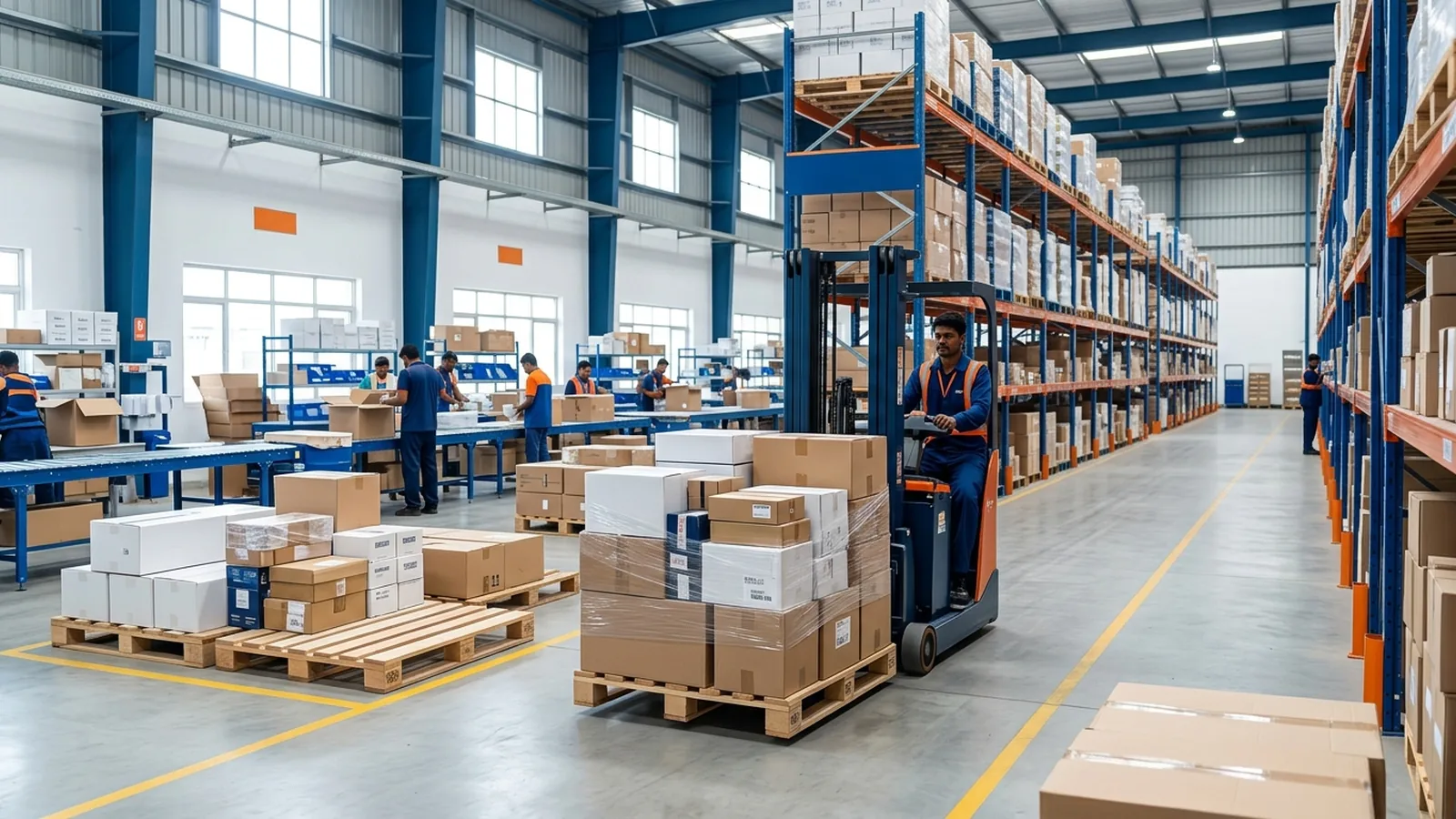
The reselling business has emerged as one of the most accessible and profitable entrepreneurial opportunities in India's rapidly growing retail ecosystem. With the right products, sourcing strategies, and market understanding, resellers can build sustainable businesses with minimal initial investment and impressive profit margins. Whether you're a first-time entrepreneur or an established retailer looking to diversify, the reselling model offers flexibility, scalability, and multiple revenue streams.
What makes reselling particularly attractive in today's market is the combination of digital platforms that connect buyers and sellers, growing consumer demand across tier-2 and tier-3 cities, and the availability of liquidation and surplus inventory at heavily discounted prices. Smart resellers who understand sourcing, pricing, and customer preferences can achieve profit margins ranging from 30% to 70% depending on the product category and business model.
This comprehensive guide explores the most profitable reselling ideas specifically tailored for the Indian market, complete with sourcing strategies, margin expectations, and practical tips to help you launch or scale your reselling venture successfully.
Understanding the Reselling Business Model
The reselling business model is straightforward: purchase products at wholesale or discounted prices and sell them at a markup to end consumers or other retailers. The profitability hinges on three critical factors—your ability to source quality products at the lowest possible price, identify products with strong market demand, and efficiently manage operations to minimize overhead costs.
In India's context, reselling works exceptionally well because of the fragmented retail market, vast geographical diversity in pricing, and the growing acceptance of online shopping. Resellers can operate through multiple channels including online marketplaces like Amazon and Flipkart, social media platforms like Instagram and WhatsApp, their own e-commerce websites, or traditional offline retail outlets.
The key to success lies in understanding your target market's preferences, building reliable supplier relationships through platforms like wholesale inventory marketplaces, and maintaining consistent product quality. Many successful resellers start with a single product category, master the sourcing and sales process, and then gradually expand into complementary product lines.
Types of Reselling Models
- Retail Arbitrage: Buying discounted products from retail sales and reselling at regular prices online or in different markets
- Wholesale Reselling: Purchasing bulk inventory at wholesale rates and selling individual units at retail prices
- Liquidation Flipping: Sourcing liquidation lots, overstock, or surplus inventory at deep discounts and reselling at market rates
- Private Label Reselling: Sourcing generic products and rebranding them under your own label
- Drop Servicing: Marketing products without holding inventory, with suppliers shipping directly to customers
Electronics and Gadgets Reselling
Electronics and gadgets represent one of the most lucrative categories for reselling, with consistent demand and attractive profit margins. This category spans mobile accessories, audio devices, smart home gadgets, computer peripherals, and wearable technology. The Indian electronics market is projected to reach $400 billion by 2025, creating substantial opportunities for resellers.
Mobile accessories alone offer exceptional margins, with items like phone cases, screen protectors, charging cables, and power banks available at wholesale prices as low as ₹20-₹150 and selling at ₹100-₹500 retail. Smart resellers focus on trending models and maintain diverse inventory to cater to various smartphone brands popular in India.
High-Profit Electronics Items
- Wireless Earbuds and Headphones: Purchase at ₹200-₹800 wholesale, sell at ₹600-₹2,500 (40-60% margins)
- Smartwatches and Fitness Bands: Source at ₹800-₹3,000, retail at ₹2,000-₹8,000 (45-55% margins)
- Power Banks and Chargers: Buy at ₹150-₹600, sell at ₹400-₹1,800 (50-65% margins)
- Phone Accessories: Extremely low sourcing costs with 60-80% margin potential
- Smart Home Devices: Growing market with 35-50% margins on speakers, cameras, and automation devices
When sourcing electronics for reselling, verify product certifications, warranty terms, and supplier reputation. Explore certified electronics suppliers to ensure you're getting genuine products that meet safety standards. Quality issues in electronics can quickly damage your reputation and lead to costly returns.
Fashion and Apparel Products
Fashion and apparel reselling offers enormous potential in India's ₹10 lakh crore fashion market. This category includes clothing, footwear, accessories, ethnic wear, western wear, and seasonal fashion items. The beauty of fashion reselling lies in the variety—you can specialize in a niche like ethnic wear or operate across multiple segments to maximize revenue opportunities.
Surplus and overstock fashion inventory presents exceptional value for resellers. Brands frequently liquidate excess seasonal stock, manufacturing overruns, or last season's designs at 50-70% below wholesale prices. Smart resellers build relationships with manufacturers and use liquidation lots platforms to access these opportunities.
Profitable Fashion Categories
| Category | Typical Wholesale Price | Retail Price Range | Profit Margin |
|---|---|---|---|
| Women's Ethnic Wear | ₹200-₹800 | ₹500-₹2,500 | 40-60% |
| Men's Casual Shirts | ₹150-₹400 | ₹400-₹1,200 | 45-55% |
| Designer Footwear | ₹300-₹1,200 | ₹800-₹3,500 | 50-65% |
| Fashion Accessories | ₹50-₹300 | ₹200-₹1,000 | 60-75% |
| Kids' Clothing | ₹100-₹350 | ₹300-₹1,000 | 50-60% |
Fashion reselling works particularly well on Instagram, Facebook, and dedicated e-commerce platforms. Create styled photos, maintain size charts, and offer easy returns to build customer trust. Many successful fashion resellers start by selling to friends and family, gathering testimonials, and gradually expanding through social media marketing and influencer collaborations.
Home and Lifestyle Items
The home and lifestyle segment has experienced explosive growth, especially post-pandemic, as Indians invest more in their living spaces. This category includes kitchen appliances, home décor, furniture, bedding, storage solutions, and wellness products. With profit margins ranging from 35-60%, this segment offers excellent opportunities for resellers targeting homemakers and young professionals.
Kitchen gadgets and appliances represent a particularly profitable niche. Items like mixer grinders, air fryers, non-stick cookware, and storage containers have consistent demand and reasonable shipping costs for online sales. Home décor items like wall art, planters, LED lighting, and decorative pieces offer even higher margins, often 50-70%, because perceived value is based on aesthetics rather than functionality alone.
Top-Selling Home Products
- Kitchen Appliances: Blenders, air fryers, induction cookers with 30-45% margins
- Home Organization: Storage boxes, wardrobe organizers, shelving units with 40-55% margins
- Bedding and Linens: Bedsheets, comforters, cushion covers with 45-60% margins
- Decorative Items: Wall hangings, artificial plants, candles with 55-70% margins
- Wellness Products: Yoga mats, aromatherapy items, massage tools with 40-60% margins
- Smart Home Gadgets: LED strips, smart bulbs, automation devices with 35-50% margins
Seasonal trends significantly impact home and lifestyle sales. Festival seasons like Diwali, Durga Puja, and Onam create spikes in demand for specific décor items. Resellers who anticipate these trends and stock up on relevant inventory through strategic procurement channels can maximize profits during peak selling periods.
Seasonal and Trending Products
Capitalizing on seasonal demand and trending products can generate exceptional short-term profits for agile resellers. This strategy requires staying informed about market trends, social media viral products, seasonal festivals, and cultural events that drive temporary spikes in demand for specific product categories.
Festival seasons in India create predictable demand patterns. Diwali drives sales of lights, decorations, gift items, and ethnic wear. Raksha Bandhan boosts sales of rakhis, gift hampers, and sweets. Holi increases demand for colors, water guns, and party supplies. Smart resellers prepare inventory 2-3 months in advance, sourcing festival-specific products at bulk discounts.
Seasonal Opportunities by Quarter
- January-March: Valentine's gifts, Holi colors, summer clothing, coolers and fans, exam stationery
- April-June: Summer sports equipment, travel accessories, school supplies, air coolers, water bottles
- July-September: Monsoon essentials (raincoats, umbrellas), Raksha Bandhan products, Ganesh Chaturthi items, back-to-school supplies
- October-December: Diwali lights and décor, winter clothing, Christmas decorations, New Year party supplies, wedding season products
Trending products identified through social media, particularly Instagram Reels and YouTube, can generate viral demand. Examples include fidget toys, LED masks, phone gimbal stabilizers, and viral kitchen gadgets. The challenge with trending products is timing—enter early for maximum margins, but don't overstock as trends fade quickly. Small test orders help validate demand before committing significant capital.
Smart Sourcing Strategies for Maximum Profit
Your sourcing strategy directly determines your profit margins and business sustainability. The most successful resellers diversify their sourcing channels, build strong supplier relationships, and continuously scout for better deals. Understanding where and how to source inventory separates profitable resellers from those who struggle with thin margins.
B2B marketplaces specializing in liquidation, surplus, and overstock inventory offer some of the best pricing for resellers. These platforms connect you with verified suppliers offering products at 40-70% below regular wholesale prices. Unlike traditional wholesalers who maintain fixed pricing, liquidation inventory pricing fluctuates based on urgency, quantity, and supplier needs, creating opportunities for exceptional deals.
Effective Sourcing Channels
- B2B Liquidation Marketplaces: Access surplus and overstock inventory at deep discounts from verified suppliers
- Manufacturer Direct: Approach manufacturers for overruns, seconds, or bulk orders at factory prices
- Wholesale Markets: Visit physical wholesale hubs in cities like Delhi, Mumbai, Surat for in-person sourcing
- Trade Shows and Expos: Network with suppliers, negotiate exclusive deals, and discover new products
- Importers and Distributors: Build relationships with importers needing to move aged inventory quickly
- Return and Refurbished Stock: Source customer returns or refurbished items at significant discounts for appropriate markets
When evaluating suppliers, consider payment terms, minimum order quantities, shipping costs, return policies, and quality consistency. Start with smaller orders to test product quality and supplier reliability before committing to large purchases. Documentation is critical—always obtain proper invoices, GST bills, and warranties to operate legally and handle any customer issues professionally.
The DealsGoKart marketplace provides Indian resellers with verified suppliers offering competitive pricing on diverse product categories, complete with buyer protection and transparent terms. This reduces the risk inherent in sourcing from unknown suppliers and streamlines the procurement process.
Pricing and Margin Optimization
Pricing strategy balances competitiveness with profitability. Price too high, and you lose sales to competitors; price too low, and you sacrifice margins unnecessarily. Successful resellers understand their costs comprehensively—product cost, shipping, packaging, payment gateway fees, marketplace commissions, taxes, and returns—and price accordingly to achieve target margins.
A common pricing formula for resellers is the keystone pricing method, which doubles the wholesale cost to arrive at the retail price, yielding approximately 50% gross margin. However, this varies by category—fashion accessories might support 70% margins while electronics might work on 30-35% due to market competition and price transparency.
Margin Optimization Strategies
- Volume Discounts: Negotiate better rates by increasing order sizes and consolidating suppliers
- Bundle Pricing: Create product bundles that increase average order value while appearing to offer discounts
- Dynamic Pricing: Adjust prices based on demand, competition, and inventory levels using repricing tools
- Tiered Pricing: Offer good-better-best options to capture different customer segments
- Seasonal Markups: Increase margins during peak demand periods when customers are less price-sensitive
- Private Labeling: Add your brand to generic products to justify premium pricing and reduce direct comparison
Monitor your competitors' pricing regularly but don't engage in destructive price wars that erode everyone's margins. Instead, differentiate through service, quality assurance, faster delivery, or bundled value-adds that justify slightly higher prices. Customer reviews and ratings often matter more than small price differences.
| Cost Component | Typical Percentage | Optimization Opportunity |
|---|---|---|
| Product Cost | 40-60% | Better sourcing, volume discounts, liquidation inventory |
| Shipping & Logistics | 8-15% | Negotiate courier rates, optimize packaging, use regional fulfillment |
| Marketplace Fees | 5-20% | Own website, social media sales, multi-channel strategy |
| Packaging | 3-6% | Bulk purchase packaging supplies, optimize size and weight |
| Returns & Damages | 2-8% | Quality control, clear product descriptions, good packaging |
| Target Net Margin | 15-30% | Sum of all optimizations increases bottom line |
Scaling Your Reselling Operations
Once you've validated your business model and achieved consistent profitability, scaling becomes the next challenge. Growth requires systematizing operations, managing increased inventory and cash flow, potentially hiring help, and possibly expanding into new product categories or sales channels. Strategic scaling multiplies profits while maintaining or improving efficiency.
Inventory management becomes critical at scale. Too little inventory means missed sales and disappointed customers; too much ties up capital and risks obsolescence. Implement inventory management software that tracks stock levels, sales velocity, and reorder points. Many successful resellers use the 80/20 rule, where 80% of sales come from 20% of products—identify your top performers and maintain deeper stock while testing new products in smaller quantities.
Scaling Strategies for Resellers
- Multi-Channel Expansion: Sell across multiple platforms (Amazon, Flipkart, own website, social media) to diversify revenue
- Category Expansion: Add complementary product categories to increase average order value and customer lifetime value
- Geographic Expansion: Target new cities, states, or even international markets through appropriate platforms
- Team Building: Hire for packing, customer service, or social media management to free your time for strategic activities
- Automation: Implement tools for inventory management, repricing, order processing, and customer communication
- Wholesale to Retailers: Once established, sell in bulk to smaller resellers at wholesale rates for additional revenue streams
Cash flow management becomes increasingly important as you scale. Growing businesses often face a cash crunch because inventory purchases increase faster than receivables. Negotiate payment terms with suppliers, use trade credit wisely, and maintain a cash reserve for opportunities and emergencies. Consider exploring flexible procurement terms that align better with your cash conversion cycle.
Building a brand, even in reselling, creates long-term value. Develop a memorable business name, consistent visual identity, and reputation for reliability and quality. Customer retention is far more profitable than constant acquisition—nurture relationships through email marketing, loyalty programs, and exceptional service that generates word-of-mouth referrals.
Common Mistakes to Avoid
Understanding common pitfalls helps new resellers avoid costly mistakes that can derail their business before it gains momentum. Many of these mistakes stem from inexperience, over-optimism, or inadequate planning. Learning from others' errors accelerates your path to profitability.
Overstocking is perhaps the most common and dangerous mistake. Enthusiasm about a product or fear of missing out leads resellers to purchase far more inventory than they can realistically sell in a reasonable timeframe. This ties up capital, creates storage challenges, and risks products becoming obsolete or going out of season. Always start with smaller test orders, validate demand, and scale gradually based on actual sales data.
Critical Mistakes and Solutions
- Ignoring Product Research: Selling what you like rather than what the market wants. Solution: Use tools like Google Trends, marketplace best-seller lists, and social listening to identify genuine demand
- Poor Supplier Vetting: Choosing suppliers based solely on price without verifying quality and reliability. Solution: Order samples, check reviews, start small, and use verified supplier platforms
- Inadequate Pricing: Forgetting to account for all costs, leading to profits that look good on paper but disappear in reality. Solution: Calculate comprehensive costs including hidden fees before setting prices
- Weak Cash Flow Management: Reinvesting all profits back into inventory without maintaining reserves. Solution: Maintain 3-6 months of operating expenses in reserve and budget for growth
- No Differentiation: Selling exactly what everyone else sells with no unique value proposition. Solution: Specialize, bundle, brand, or add services that differentiate your offering
- Neglecting Customer Service: Focusing on acquisition while ignoring retention and reputation. Solution: Respond quickly, resolve issues fairly, and build a reputation worth recommending
- Inconsistent Supply: Running out of popular items frequently, frustrating customers. Solution: Monitor inventory levels, establish reorder points, and maintain backup supplier relationships
Tax and legal compliance issues can create serious problems if ignored. Register your business appropriately, obtain GST registration when required, maintain proper books of accounts, and file returns on time. While these administrative tasks seem tedious, they're essential for long-term sustainability and can actually help you access better supplier terms and financing options.
Another mistake is spreading yourself too thin across too many product categories or platforms before mastering one. Focus creates expertise, efficiency, and reputation. Once you've systematized one category or channel, expansion becomes easier because you've developed the skills and systems to replicate success.
Conclusion: Building Your Profitable Reselling Business
The reselling business offers one of the most accessible paths to entrepreneurship in India today, with scalable models suitable for everyone from individual entrepreneurs starting with minimal capital to established retailers diversifying their revenue streams. Success requires the right combination of market understanding, strategic sourcing, operational efficiency, and customer focus.
The most profitable reselling ideas share common characteristics: strong market demand, reasonable supply availability at discounted prices, acceptable shipping logistics, and sufficient margins to support sustainable operations. Whether you choose electronics, fashion, home goods, or seasonal products, the fundamentals remain consistent—source smartly, price strategically, serve customers well, and scale systematically.
Technology has democratized access to both suppliers and customers, making it easier than ever to launch and grow a reselling business from anywhere in India. Platforms connecting buyers with verified suppliers offering liquidation, surplus, and overstock inventory have eliminated many traditional barriers, providing quality products at competitive prices with transparency and buyer protection.
Your reselling journey begins with education, a clear plan, and that crucial first step of sourcing your initial inventory. Start small, test thoroughly, learn continuously, and scale based on validated demand rather than assumptions. The Indian retail market's growth trajectory, increasing e-commerce adoption, and rising consumer spending create a favorable environment for resellers who approach the business professionally and strategically.
Ready to launch or scale your reselling venture with access to high-quality inventory at wholesale prices? Explore DealsGoKart's extensive catalog of liquidation, surplus, and overstock products from verified suppliers across India. Whether you're looking for electronics, fashion, home goods, or seasonal inventory, you'll find competitive pricing, transparent terms, and the variety you need to build a profitable reselling business. Connect with our team to discuss your specific requirements and discover how DealsGoKart can become your trusted sourcing partner for sustainable, profitable growth.
Frequently asked questions
Electronics, fashion accessories, and mobile phone accessories typically offer the highest profit margins, ranging from 30-70%. The key is sourcing quality products at competitive wholesale prices through liquidation or surplus stock channels. Success depends on understanding local demand and maintaining consistent inventory supply.
Ready to source smarter?
Ready to discover profitable inventory at wholesale prices? Browse DealsGoKart's verified liquidation and surplus stock listings today and start building your profitable reselling business.