
Amazon Return Pallets Explained: Complete 2024 Guide
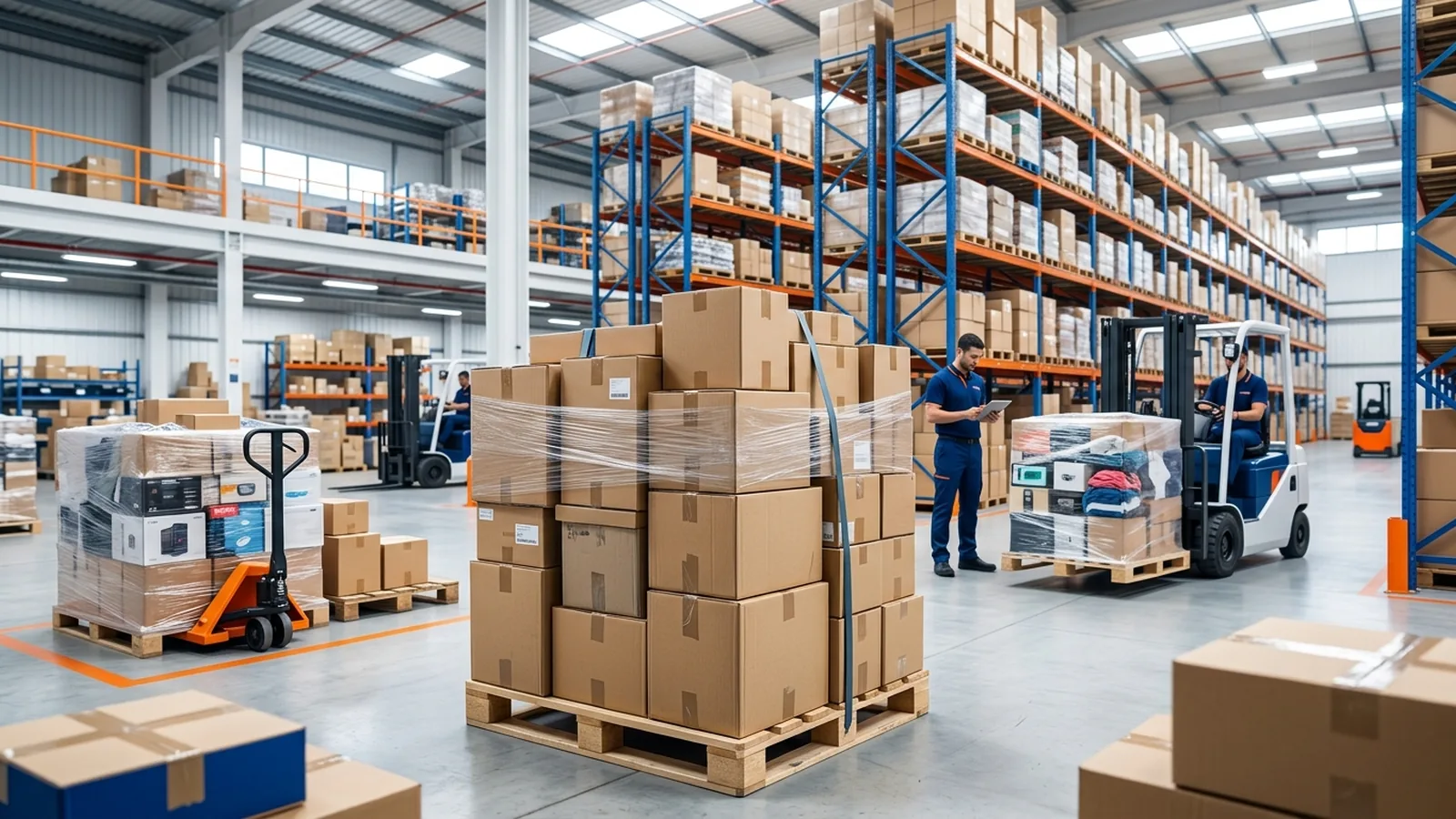
The liquidation business has exploded in India over the past few years, with savvy entrepreneurs discovering that one person's return can become another's profitable inventory. Among the most sought-after opportunities in this space are Amazon return pallets—bulk lots of customer-returned merchandise sold at steep discounts. For retailers, resellers, and small business owners looking to source inventory at a fraction of retail cost, these pallets represent both tremendous opportunity and considerable risk.
Understanding how Amazon return pallets work, what to expect inside them, and how to turn returned goods into profit requires knowledge that goes beyond simple buying and selling. This comprehensive guide walks you through everything Indian resellers need to know about Amazon liquidation pallets, from sourcing and grading systems to realistic profit margins and practical tips for getting started in this competitive but rewarding business model.
What Are Amazon Return Pallets?
Amazon return pallets are bulk lots of merchandise that customers have returned to Amazon for various reasons. Rather than individually processing, refurbishing, or restocking every returned item—which would be prohibitively expensive—Amazon and its sellers liquidate these products in bulk through authorized liquidation channels.
These pallets typically contain a mixed assortment of products across multiple categories: electronics, home goods, toys, clothing, kitchen items, and more. The common thread is that every item has been returned by a customer, though the reason for return varies dramatically. Some items are perfectly functional with only opened packaging, while others may be defective, damaged, or missing components.
The term "pallet" refers to the standard wooden shipping platform, though the actual unit you purchase might be a full pallet (approximately 48" × 40"), a half-pallet, a gaylord box, or even a truckload for larger operations. What you're really buying is wholesale returns—liquidation inventory sold as-is with no guarantees, no returns, and usually significant uncertainty about exact contents and condition.
Why Does Amazon Liquidate Returns?
Amazon's customer-centric return policy means millions of items flow back through their system annually. Processing individual returns for restocking costs more than many items are worth, especially when factoring in inspection time, warehousing costs, and the markdown required to sell an "open box" item. Liquidating in bulk to resellers and liquidation companies solves several problems simultaneously:
- Quickly clears valuable warehouse space for new inventory
- Recovers some value from otherwise dead stock
- Reduces handling and processing costs dramatically
- Transfers risk and resale responsibility to buyers who specialize in secondary markets
- Maintains the "new item" perception on Amazon's retail platform
For resellers, this creates opportunity. Products that Amazon finds uneconomical to restock individually can be profitable when purchased at liquidation prices and resold through appropriate channels—whether that's online marketplaces, local retail stores, flea markets, or wholesale distribution.
How Amazon Liquidation Works
The journey from customer return to reseller's warehouse involves several intermediary steps. Understanding this supply chain helps you identify legitimate sources and avoid potential scams in the liquidation marketplace.
When a customer returns an item to Amazon, it enters one of several paths. Items in perfect, resellable condition may be returned to regular inventory. Items that can be easily refurbished might go to Amazon Warehouse Deals. Everything else—the vast majority—flows toward liquidation channels.
Amazon partners with large liquidation companies who purchase massive quantities of returns, often by the truckload or container. These liquidation wholesalers then sort, grade, and repackage merchandise into smaller, more manageable lots—the pallets that individual resellers purchase. In the Indian market, this inventory reaches buyers through authorized liquidation partners, B2B wholesale platforms, and specialized liquidation auctions.
The Liquidation Hierarchy
Understanding where you sit in the liquidation supply chain impacts your costs and potential margins:
- Tier 1: Direct Amazon liquidation contracts (requires enormous capital and warehouse capacity; not accessible to most buyers)
- Tier 2: Large liquidation wholesalers who purchase directly from Amazon and other retailers (minimum orders typically in lakhs)
- Tier 3: Regional liquidation distributors and B2B marketplaces who purchase from Tier 2 and sell smaller lots
- Tier 4: Individual resellers purchasing pallets or smaller lots for local resale
Most Indian small business buyers operate at Tier 3 or 4, purchasing through B2B wholesale platforms or regional distributors. While you'll pay more per unit than Tier 1 buyers, the lower capital requirements and reduced logistics complexity make this level more accessible and still quite profitable.
Types and Condition Grades
Not all Amazon return pallets are created equal. Understanding the different types and condition classifications helps you assess value and set realistic profit expectations before making a purchase.
Pallet Types
Manifested Pallets: These come with a detailed list (manifest) of every item included, typically showing original retail price, Amazon ASIN, quantity, and condition notes. Manifested pallets reduce uncertainty and allow you to calculate potential ROI more accurately, but they command premium prices because buyers know exactly what they're getting.
Non-Manifested (Blind) Pallets: Sold without detailed item lists, these "mystery" pallets contain an unknown mix of products. Sellers might provide general category information (e.g., "home and kitchen returns") and approximate retail value, but specific contents remain unknown until you open the pallet. These sell for less but carry significantly more risk.
Category-Specific Pallets: Focused on single categories like electronics, toys, clothing, or home goods. These allow resellers to specialize in categories they understand well, though category-specific pallets often cost more than mixed lots.
Store Returns vs. Online Returns: Some liquidators distinguish between items returned to physical stores versus those returned through mail. Store returns sometimes have higher functionality rates since customers physically brought them to a location, though this isn't universally true.
Standard Condition Grades
The liquidation industry uses several grading systems, but most Amazon return pallets fall into these categories:
| Grade | Condition Description | Expected Functionality | Relative Price |
|---|---|---|---|
| Grade A / Like New | Opened packaging but item unused or lightly used; all accessories present | 95-100% functional | Highest |
| Grade B / Moderate | Shows signs of use; may have cosmetic damage; most accessories present | 80-90% functional | High-Medium |
| Grade C / Heavy | Visible wear, cosmetic damage, missing accessories or packaging | 60-75% functional | Medium |
| Grade D / Salvage | Significant damage, functionality unknown, parts-only value | 30-50% functional | Lowest |
| Mixed / Ungraded | Combination of all grades; condition varies widely by item | Highly variable | Low-Medium |
Remember that these grades are approximate. A "Grade A" pallet doesn't guarantee every item is perfect, and even "Salvage" pallets often contain some perfectly functional products. The grading indicates the overall quality distribution you can expect, but individual item condition still varies.
Profit Potential and Margins
The fundamental appeal of Amazon return pallets lies in the significant discount from retail value. Understanding realistic profit margins—and the work required to achieve them—is essential for business planning.
Typical Cost Structure
When evaluating potential profit, account for all costs, not just the pallet purchase price:
- Pallet cost: ₹15,000 to ₹1,50,000+ depending on size, grade, and category
- Transportation: Shipping or pickup costs from the supplier
- Storage: Warehouse or space rental if you don't own adequate facilities
- Processing time: Your labor or employee wages for sorting, testing, cleaning, photographing
- Resale fees: Marketplace commissions, payment processing fees (15-20% on most platforms)
- Packaging and shipping: Materials and postage for individual item sales
- Unsold inventory: Not everything sells quickly or at all; carrying costs accumulate
Realistic Margin Expectations
Experienced resellers typically target these gross margins (before all processing and selling costs):
- Manifested, graded pallets: 30-60% gross margin (you pay 40-70% of estimated resale value)
- Non-manifested mixed pallets: 50-100% gross margin (you pay 30-50% of estimated retail value, though actual condition varies)
- Specialty/high-value categories: 40-80% gross margin with higher expertise required
Net profit after all expenses typically ranges from 15-40% for efficient operations. New resellers often see lower initial margins while learning which products sell well, how to price competitively, and how to minimize processing time. The most successful pallet resellers develop systems that maximize the percentage of inventory that sells while minimizing handling time per item.
Sample Profit Calculation
Consider a mixed electronics return pallet purchased for ₹50,000 with an estimated retail value of ₹1,50,000:
- Purchase price: ₹50,000
- Transportation: ₹3,000
- Processing labor (40 hours × ₹250): ₹10,000
- Packaging and shipping supplies: ₹4,000
- Total investment: ₹67,000
After sorting, testing, and listing, you identify:
- 20% perfectly functional items → resell at 60% of retail = ₹18,000 revenue
- 30% functional with cosmetic issues → resell at 40% of retail = ₹18,000 revenue
- 25% functional but missing accessories → resell at 25% of retail = ₹9,375 revenue
- 15% repairable items → sell to repair shops at 15% of retail = ₹3,375 revenue
- 10% salvage/parts only → ₹1,500 revenue
Total revenue: ₹50,250
Marketplace fees (18%): ₹9,045
Net revenue: ₹41,205
Net loss: ₹25,795
This sobering example shows why experience matters. An inexperienced buyer might overestimate retail values, underestimate damage rates, or fail to account for all costs. However, an experienced reseller with better product knowledge might:
- Negotiate a better purchase price (₹40,000 instead of ₹50,000)
- Process inventory more efficiently (₹6,000 labor instead of ₹10,000)
- Achieve higher sell-through rates at better prices
- Develop wholesale channels for bulk items, avoiding high marketplace fees
With these improvements, the same pallet might yield ₹60,000 in revenue with ₹52,000 in total costs—a respectable ₹8,000 profit (15% net margin) while learning valuable product knowledge for future purchases.
Where to Buy Return Pallets in India
Sourcing legitimate Amazon return pallets in India requires connecting with authorized liquidation channels. Unlike in the US where Amazon operates direct liquidation stores and auction sites, the Indian market works primarily through B2B partnerships and wholesale distributors.
Legitimate Sourcing Options
B2B Liquidation Marketplaces: Platforms like DealsGoKart connect verified liquidation suppliers with reseller buyers. These marketplaces offer buyer protection, transparent listings, and access to multiple suppliers in one place. This is often the best starting point for new buyers who need smaller quantities and clear terms.
Direct Liquidation Partnerships: Established resellers with larger capital may form direct relationships with liquidation companies that handle Amazon returns. This requires higher minimum orders (often ₹5+ lakhs) but offers better per-unit pricing. Building these relationships takes time and proven purchase history.
Wholesale Liquidation Warehouses: Some cities have physical liquidation warehouses where buyers can inspect pallets before purchase or bid on lots. These operate similarly to wholesale markets but focus on returns and overstock rather than new goods. Personal inspection reduces risk but limits your geographic sourcing options.
Online Liquidation Auctions: Some platforms run auction-style sales for return pallets, with bidding starting at low prices. While potentially offering great deals, auctions can become competitive, driving final prices near or above market value. Set firm maximum bids based on your profit calculations.
Red Flags and Scams to Avoid
The liquidation space unfortunately attracts scammers exploiting eager new resellers. Watch for these warning signs:
- Unrealistic manifests: Listings claiming 100% functional items or guaranteed retail values significantly above purchase price
- Upfront payment with no recourse: Suppliers demanding full payment before shipping without any buyer protections or verification systems
- Too-good-to-be-true pricing: Pallets listed at 10-20% of retail value with claimed "Grade A" condition (legitimate liquidation doesn't work at these margins)
- Unverified suppliers: Sellers without business registration, physical addresses, or any track record
- Pressure tactics: Claims of "only 2 pallets left" or "special deal today only" designed to prevent due diligence
- Stock photos only: Listings without actual photos of the specific pallets being sold
Always verify supplier credentials, start with smaller test orders, and use platforms with buyer protection mechanisms. Legitimate liquidation suppliers understand that trust builds over multiple successful transactions.
What to Expect: Risks and Realities
Success in the Amazon return pallet business requires realistic expectations. This isn't a "get rich quick" scheme—it's a real business requiring capital, labor, knowledge, and resilience.
Common Disappointments
Condition Worse Than Expected: Even graded pallets often contain more damaged items than buyers hope. A "Grade B" rating doesn't mean 90% of items are Grade B—it means the overall mix averages to that grade, with some items better and many worse.
Missing Components: Returned electronics frequently lack charging cables, remotes, or accessories. A tablet without a charger sells for much less than a complete unit, eating into your margins. Budget for purchasing common accessories or factor incomplete items into your pricing.
Obsolete or Low-Demand Products: That "high retail value" on the manifest might be for products nobody wants anymore. Old phone models, outdated electronics, or fad items past their popularity peak have theoretical retail values that don't translate to actual sales.
Longer-Than-Expected Sell-Through: New resellers often imagine quick inventory turnover. Reality involves items sitting for weeks or months, especially in India's price-sensitive market. Slow-moving inventory ties up capital and accumulates storage costs.
Legal and Warranty Considerations
Liquidation merchandise comes with important legal limitations:
- Sold as-is with no warranty: You cannot offer manufacturer warranties on liquidation items; disclose this clearly to buyers
- No returns to suppliers: Your purchase is final; damaged or unsellable items are your loss
- Authenticity concerns: While rare, counterfeit items occasionally slip into return streams; selling counterfeits carries legal risks
- Product safety: You're responsible for ensuring items are safe to resell; damaged electronics or recalled items should be disposed of properly
- Tax obligations: Maintain proper records of all purchases and sales for GST and income tax compliance
Consider consulting with an accountant familiar with liquidation businesses to ensure you're meeting all regulatory requirements while maximizing legitimate deductions for business expenses.
Managing Risk
Successful resellers use several strategies to minimize risk:
- Start with small, manageable pallet quantities to learn without catastrophic losses
- Focus on categories you understand well or can easily research
- Build relationships with reliable suppliers through consistent, professional interactions
- Diversify sourcing across multiple suppliers to avoid dependence on any single source
- Maintain adequate working capital to weather slow periods or problem pallets
- Develop multiple resale channels so you're not dependent on a single marketplace
- Track detailed metrics on every pallet to identify what works and what doesn't
Tips for First-Time Buyers
If you're ready to purchase your first Amazon return pallet, these practical tips will help you start on the right foot and avoid expensive beginner mistakes.
Before You Buy Your First Pallet
1. Research product categories thoroughly. Spend time on Amazon, Flipkart, and other marketplaces understanding what products sell for in various conditions. Join reseller communities and forums to learn from others' experiences with specific categories.
2. Secure resale channels first. Don't buy pallets before knowing where and how you'll sell items. Set up accounts on online marketplaces, identify local retail opportunities, or establish wholesale relationships before making your first liquidation purchase.
3. Prepare adequate space. You'll need room to unload, sort, test, photograph, and store inventory. Many beginners underestimate space requirements. A single pallet can contain 100-500 individual items requiring separate handling.
4. Budget for the complete investment. Your pallet purchase is just the beginning. Ensure you have capital to cover transportation, processing time, supplies, and living expenses while waiting for inventory to sell.
5. Start small and local when possible. Your first pallet should be small enough that mistakes won't devastate you financially, and ideally from a supplier you can visit or pick up from to avoid shipping complications.
Evaluating Potential Purchases
When reviewing pallet listings on liquidation platforms, ask yourself:
- Do I understand these product categories and their resale markets?
- Is the condition grade clearly stated and realistic?
- Does the price allow for a 50%+ markup after all costs?
- Can I verify this supplier's reputation through reviews or references?
- Do I have a clear plan for selling every category of item in this pallet?
- What's my worst-case scenario if the condition is worse than expected?
If you can't answer these questions confidently, either research more or consider a different pallet. FOMO (fear of missing out) causes expensive mistakes in liquidation buying.
Essential Tools and Supplies
Equip yourself with these essentials before your first pallet arrives:
- Testing equipment: Smartphone with internet for research, basic tools for opening products, phone chargers in multiple formats for testing electronics
- Cleaning supplies: Microfiber cloths, gentle cleaners, tools to improve product appearance
- Photography setup: Good lighting, plain background, tripod or stable surface for consistent product photos
- Inventory system: Spreadsheet or inventory app to track each item's cost, condition, and selling price
- Packaging materials: Boxes, bubble wrap, tape, and poly mailers in various sizes
- Shipping scale: Accurate weight measurement prevents surprise shipping costs
Sorting, Testing and Reselling
The work begins when your pallet arrives. Efficient processing separates profitable operations from those that struggle. Develop a systematic approach to transform bulk returns into sellable inventory.
The Sorting Process
Initial Unload and Categorization: Completely unpack your pallet and create broad categories: electronics, home goods, toys, clothing, etc. This gives you a clear picture of your inventory and allows you to prioritize high-value items for immediate testing and listing.
Condition Assessment: Systematically examine each item for damage, missing parts, or functionality issues. Create sorting piles:
- Sell as-is (functional/complete): Items needing only cleaning and photographing
- Repair needed: Functional items missing accessories or requiring minor fixes
- Parts/salvage: Non-functional items with valuable components
- Dispose/donate: Damaged beyond reasonable repair or unsellable items
Testing Protocol: For electronics and appliances, develop a consistent testing routine. Charge batteries, test all functions, check for connectivity, and note any issues. Document both what works and what doesn't—some buyers specifically seek items for repair or parts.
Creating Compelling Listings
How you present liquidation items dramatically affects selling speed and price. Follow these best practices:
Photography: Take clear, well-lit photos from multiple angles. Show any damage honestly—hiding defects leads to returns and negative reviews. Include photos of items powered on, labels showing model numbers, and any included accessories.
Titles: Use specific, searchable titles including brand, model number, key features, and condition. "Samsung Galaxy Tab A 10.1 32GB WiFi Tablet - Tested Working - Minor Scratches" outperforms vague titles like "Tablet for Sale."
Descriptions: Be honest and thorough. Disclose any issues, missing accessories, or cosmetic damage. Explain that the item is customer-returned liquidation inventory sold as-is without warranty. Buyers appreciate transparency and factor it into their purchase decision.
Pricing Strategy: Research completed sales of identical items in similar condition, not just current listings. Price competitively for quick sales rather than hoping for maximum prices on every item. Cash flow matters more than per-item profit maximization in liquidation reselling.
Resale Channel Strategy
Successful resellers use multiple channels simultaneously, optimizing for each item's characteristics:
Online Marketplaces (OLX, Quikr, Facebook Marketplace): Best for local sales of larger items or products where buyers prefer seeing items in person. Lower fees but requires meeting buyers and handling individual negotiations.
E-commerce Platforms (Flipkart, Amazon, Meesho): Wider reach and higher prices possible, but significant fees (15-20%) and shipping logistics. Best for branded, high-value items where you can compete on price while maintaining margins.
Wholesale to Local Retailers: Sell bulk quantities of similar items to small retailers at reduced per-unit prices. Lower profit per item but much faster inventory turnover and minimal individual handling.
Flea Markets and Pop-up Stalls: Move large quantities of lower-value items quickly. Particularly effective for clothing, accessories, and household goods. Requires time investment but eliminates shipping and platform fees.
Export and B2B Channels: Some resellers focus on selling refurbished electronics or specific categories in bulk to buyers in other markets. Requires larger scale but offers excellent margins for those who develop these relationships. Explore opportunities through B2B platforms that connect liquidation resellers with wholesale buyers.
Building a Sustainable Business
Moving from one-off pallet purchases to a sustainable reselling business requires systems and discipline:
- Track every metric: Cost per pallet, processing time per item, average selling price by category, sell-through rates, and actual net profit. Data reveals what's working and what's losing money.
- Reinvest strategically: Use early profits to buy better pallets, upgrade equipment, or expand into categories with proven success rates in your hands.
- Build supplier relationships: Consistent, professional buyers get first access to better inventory and sometimes preferential pricing.
- Develop product expertise: Specialization often beats generalization. Deep knowledge of electronics, toys, or home goods lets you spot value others miss and avoid problem items.
- Create systems and processes: Document your testing procedures, photography standards, and listing templates. Efficient
Frequently asked questions
Yes, Amazon return pallets and liquidation inventory are available in India through authorized liquidation partners and B2B marketplaces like DealsGoKart. While Amazon doesn't sell directly to individual buyers, registered resellers can access customer returns through liquidation channels.
Ready to source smarter?
Ready to explore verified Amazon return pallets and liquidation inventory? Browse wholesale lots on DealsGoKart today and connect with trusted suppliers across India.