
Recommerce Explained: Guide for Indian Businesses 2024
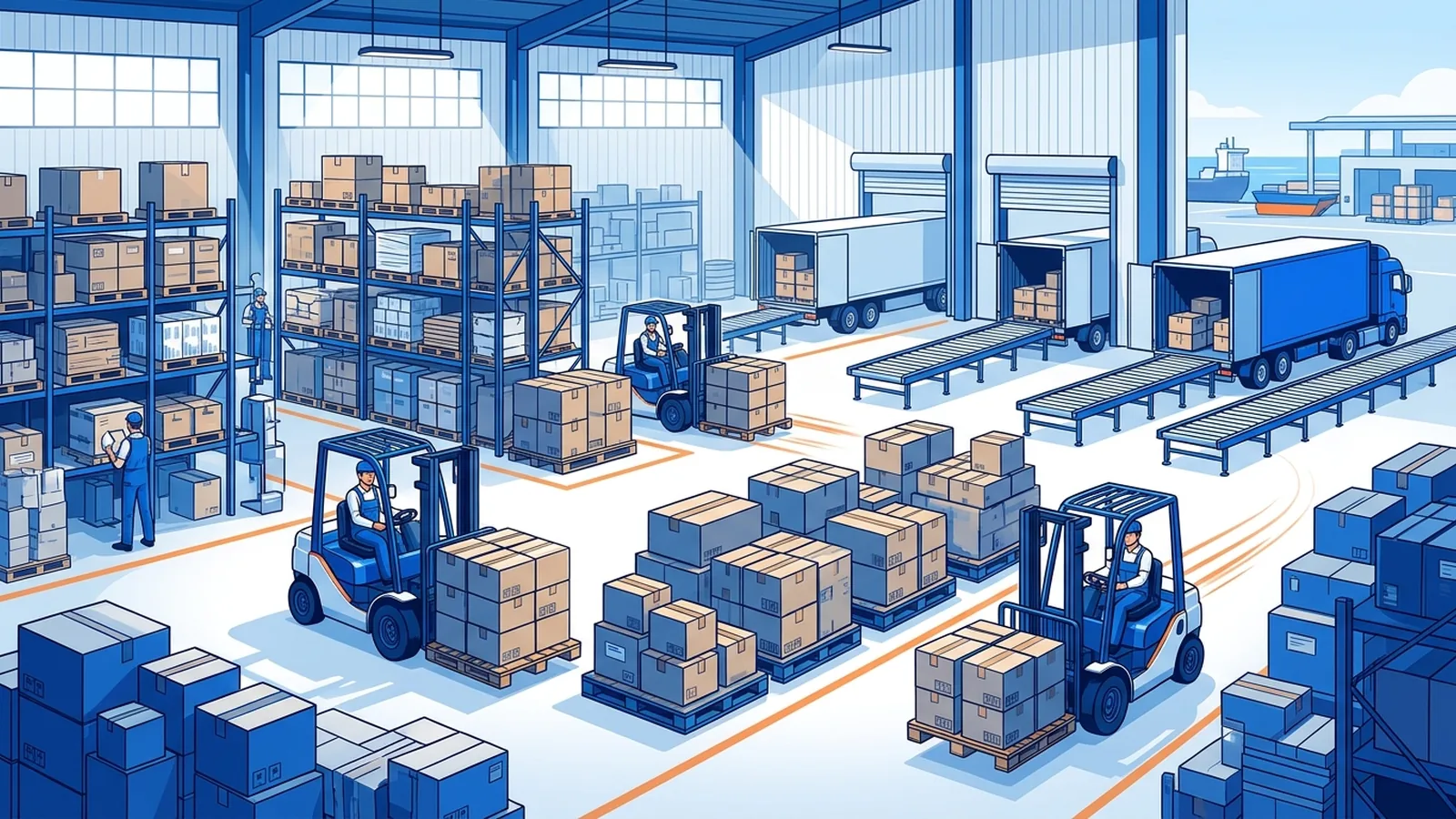
The retail landscape in India is undergoing a fundamental transformation. As consumers become more value-conscious and environmentally aware, a powerful trend is reshaping how products move through the economy: recommerce. Short for "reverse commerce," this model turns the traditional linear retail approach on its head, creating new opportunities for businesses to profit while reducing waste and serving budget-minded customers.
For Indian retailers, resellers, and distributors, recommerce represents far more than just selling used goods. It's a sophisticated business model that encompasses customer returns, refurbished electronics, excess inventory, and open-box merchandise—all presenting significant margin opportunities in a market where affordability meets quality. Whether you're running a small retail operation or managing procurement for a growing business, understanding recommerce can unlock new revenue streams and competitive advantages.
This comprehensive guide explores everything Indian businesses need to know about recommerce: how it works, why it's exploding in popularity, where to source quality inventory, and how to build a profitable operation in this dynamic space.
What Is Recommerce?
Recommerce, or reverse commerce, refers to the practice of selling previously owned, returned, refurbished, or excess goods back into the market. Unlike traditional retail, which focuses on moving new products from manufacturers to end consumers, recommerce captures value from products that have already entered the supply chain but need a second life.
The recommerce ecosystem includes several distinct categories:
- Customer returns: Products returned by buyers for various reasons—wrong size, change of mind, minor defects—that cannot be sold as new
- Refurbished goods: Pre-owned or returned items that have been professionally restored, tested, and certified to meet quality standards
- Open-box merchandise: Products removed from original packaging but never used or minimally used
- Excess inventory: Overstock and surplus goods that retailers need to clear
- Off-lease equipment: Items returned after rental or lease periods, particularly common in electronics and appliances
- Trade-ins: Products accepted from customers as part of upgrade programs
At its core, recommerce is about maximizing the useful life of products, reducing waste, and making quality goods accessible to more consumers at attractive price points. For businesses, it represents an opportunity to source wholesale inventory at a fraction of typical costs while meeting growing consumer demand for value and sustainability.
Recommerce vs Traditional Retail
Understanding how recommerce differs from traditional retail helps businesses identify where opportunities lie and how to approach this market strategically.
| Aspect | Traditional Retail | Recommerce |
|---|---|---|
| Product Condition | Brand new, factory sealed | Pre-owned, refurbished, returned, open-box |
| Sourcing | Direct from manufacturers or authorized distributors | Returns, liquidation, trade-ins, B2B marketplaces |
| Pricing Model | Fixed wholesale-to-retail markup | Flexible, condition-based pricing with higher margins |
| Inventory Consistency | Predictable SKUs and quantities | Variable availability, mixed lots |
| Quality Control | Manufacturer warranty and standards | Requires inspection, grading, and refurbishment |
| Profit Margins | 15-30% typical | 30-60% or higher possible |
| Environmental Impact | Higher resource consumption | Lower, supports circular economy |
| Customer Expectations | Perfect condition, full warranty | Acceptable condition, value-focused, limited warranty |
The key advantage of recommerce lies in the arbitrage opportunity: products that cost a retailer ₹5,000 new might be acquired for ₹1,500-2,500 in returned or refurbished condition, then sold for ₹3,500-4,000, creating substantial margin while still offering customers significant savings.
The Growth of Recommerce in India
India's recommerce market is experiencing explosive growth, driven by multiple converging factors that make this an opportune time for businesses to enter or expand in this space.
Market size and projections: Industry estimates value India's recommerce market at over $10 billion currently, with projections suggesting it could reach $25-30 billion by 2028. The organized recommerce sector is growing at 25-30% annually, significantly outpacing traditional retail growth rates.
Key drivers of growth include:
- Rising smartphone and electronics adoption: With rapid upgrades cycles, India generates massive volumes of perfectly functional but "outdated" devices seeking second lives
- E-commerce returns: Online shopping generates 20-30% return rates in categories like fashion, creating abundant inventory for the recommerce channel
- Value-conscious consumers: India's large middle class seeks quality branded products at accessible prices, making refurbished and pre-owned goods attractive
- Environmental awareness: Younger consumers increasingly prefer sustainable shopping options that reduce waste
- Digital infrastructure: Improved logistics, payment systems, and B2B platforms make recommerce operations more viable
- Brand acceptance: Major manufacturers now operate certified refurbishment programs, lending credibility to the category
The COVID-19 pandemic further accelerated recommerce adoption as businesses sought alternative inventory sources amid supply chain disruptions, and consumers became more budget-conscious while shopping online more frequently.
Regional Opportunities
While metros like Mumbai, Delhi, and Bangalore lead in recommerce volumes, Tier 2 and Tier 3 cities represent enormous untapped potential. Consumers in cities like Jaipur, Lucknow, Coimbatore, and Nagpur actively seek branded products at lower price points, creating ideal conditions for recommerce businesses. The lower real estate and operational costs in these markets can further boost profitability for retailers who source inventory strategically.
Benefits of Recommerce for Businesses
Entering the recommerce space offers Indian businesses several compelling advantages beyond simply diversifying revenue streams.
Higher Profit Margins
Perhaps the most immediate benefit is the superior margin structure. When you acquire returned or refurbished inventory at 30-50% of retail value but can sell at 60-75% of retail, your absolute margins often exceed what's possible with new goods. A smartphone that retails new for ₹20,000 might cost you ₹7,000 as a customer return in good condition. Selling it at ₹14,000 yields ₹7,000 profit—a 50% margin compared to the 20-25% typical in new phone retail.
Lower Inventory Investment
Recommerce allows businesses to stock premium brands and popular products with significantly less capital tied up in inventory. This improved cash flow enables smaller retailers to compete with larger players and lets established businesses expand their assortment without proportional capital investment.
Differentiation and Market Positioning
Offering refurbished and pre-owned goods positions your business as customer-centric (providing value) and environmentally responsible. This differentiation is increasingly important as consumers choose where to shop based on values alignment, not just price.
Access to Premium Brands
Many small retailers struggle to become authorized dealers for top brands due to high minimum orders or stringent requirements. Recommerce provides access to these same premium brands through liquidation and return channels, allowing you to serve customers seeking Apple, Samsung, OnePlus, Sony, and other aspirational brands.
Faster Inventory Turnover
Because recommerce items are priced attractively, they often sell faster than new equivalents, reducing holding costs and improving working capital efficiency. Quick turns mean you can reinvest in inventory more frequently, compounding growth.
Sustainability Credentials
Genuine environmental benefits accrue from recommerce operations. By extending product lifecycles, your business directly reduces e-waste, manufacturing emissions, and resource extraction. These credentials matter increasingly to corporate buyers, younger consumers, and businesses seeking to meet ESG goals.
Multiple Sourcing Channels
The diversity of inventory sources—returns, refurbished stock, overstock, trade-ins, liquidations—provides flexibility and reduces dependence on any single supplier. This resilience proved invaluable during recent supply chain disruptions.
Top Product Categories in Recommerce
While theoretically any product can enter recommerce channels, certain categories demonstrate particularly strong performance in the Indian market.
Electronics and Smartphones
This dominates recommerce volumes in India. Smartphones, laptops, tablets, and wearables have strong resale demand because technology-conscious consumers prioritize functionality over newness when significant savings are available. The organized refurbishment ecosystem for electronics is well-developed, with testing protocols and quality standards making it easier to ensure product quality.
Fashion and Apparel
Online fashion generates India's highest return rates, creating abundant inventory. Branded clothing, footwear, and accessories with tags still attached (or minimal wear) represent excellent opportunities. The key is rigorous quality checking and honest condition grading to build customer trust.
Home Appliances
Refrigerators, washing machines, air conditioners, microwaves, and small appliances have strong recommerce potential. While larger items require more sophisticated logistics, the margin opportunities can be substantial, and demand remains consistent given India's growing household formation.
Furniture and Home Goods
Open-box furniture, customer returns, and excess inventory in home décor items offer good margins with lower technological obsolescence risks. The bulky nature creates barriers to entry that can benefit businesses with logistics capabilities.
Books and Media
Pre-owned books, CDs, DVDs, and video games maintain dedicated customer bases. While individual margins may be modest, volume operations can be profitable, and inventory sourcing is relatively straightforward.
Sports and Fitness Equipment
Gym equipment, bicycles, sports gear, and fitness devices see healthy recommerce activity. Seasonal patterns and fitness trends create regular inventory flows, and quality equipment retains value well.
Luxury and Designer Goods
Authenticated pre-owned luxury watches, handbags, jewelry, and designer fashion represent a specialized but high-margin recommerce segment. Success requires expertise in authentication and access to affluent customer segments.
How to Source Recommerce Inventory
Finding reliable, quality inventory sources is foundational to recommerce success. Indian businesses have several avenues to explore, each with distinct characteristics.
B2B Liquidation Marketplaces
Platforms like DealsGoKart aggregate customer returns, overstock, and liquidation inventory from retailers, e-commerce platforms, and manufacturers. These marketplaces provide several advantages: consolidated sourcing, transparent condition grading, varied lot sizes, and established quality standards. For businesses new to recommerce, B2B marketplaces offer the lowest barrier to entry with manageable risk profiles.
Direct Retailer Partnerships
Establishing relationships directly with large retailers or e-commerce companies can provide consistent inventory flows. You might handle their customer returns, seasonal overstock, or discontinued models. These partnerships typically require higher volumes and logistics capabilities but offer better per-unit costs.
Manufacturer Liquidation Programs
Many brands run authorized refurbishment and liquidation programs for warranty returns, demonstration units, and excess production. These often come with refurbishment certifications that enhance resale value. Admission to these programs may require meeting certain criteria, but they provide quality assurance advantages.
Trade-In and Buyback Programs
Running your own trade-in program generates consistent inventory while driving new sales. Customers trading up are your best prospects for both acquiring inventory and making sales. This model works particularly well in electronics and smartphones.
Auction Houses and Liquidators
Traditional liquidation channels including auctions, bankruptcy sales, and asset liquidators can yield substantial inventory volumes, often at very attractive prices. However, these require more expertise to evaluate condition and value quickly, and quality can vary significantly.
Key Considerations When Sourcing
Regardless of channel, evaluate potential suppliers on these criteria:
- Condition transparency: Clear grading standards with detailed descriptions and photos
- Return/recourse policies: What happens if inventory doesn't meet expectations?
- Volume and consistency: Can the source supply your needs reliably?
- Product categories: Do they align with your target market and expertise?
- Logistics support: How is inventory shipped? What condition does it arrive in?
- Pricing structure: Are costs competitive enough for your target margins?
- Payment terms: What working capital is required?
- Documentation: Do products come with necessary compliance certificates and invoices?
Smart recommerce businesses typically diversify across multiple sources to ensure inventory availability, compare pricing, and reduce risk. Starting with established B2B marketplaces while gradually building direct relationships represents a balanced approach.
Quality Grading and Refurbishment
Success in recommerce depends critically on honest, accurate assessment of product condition. Inconsistent grading erodes customer trust and increases returns, undermining profitability.
Standard Grading Systems
Most recommerce operations adopt a tiered grading approach. While terminology varies, a typical system includes:
- Grade A / Like New / Excellent: Minimal to no signs of use, fully functional, may have slight cosmetic imperfections invisible at arm's length, includes original accessories and packaging when possible
- Grade B / Good: Light wear visible, may have minor scratches or scuffs, fully functional with all features working, includes necessary accessories, may have replacement packaging
- Grade C / Fair / Acceptable: Moderate visible wear, scratches, dents, or cosmetic damage, fully functional with all core features working, may have minor functional issues noted, basic accessories included
- Grade D / For Parts: Not fully functional, suitable for repair or parts harvesting, condition issues clearly documented
The key is consistency: every product graded "B" should meet the same standards regardless of who assessed it or when. Document your grading criteria in writing with photo examples, and train all staff who handle quality assessment.
The Refurbishment Process
Professional refurbishment can transform lower-grade inventory into higher-value products. A robust process includes:
- Intake inspection: Document condition, test functionality, identify issues
- Data sanitization: For electronics, completely wipe previous user data using certified methods
- Cleaning and cosmetic restoration: Deep clean, remove adhesive residue, polish surfaces, replace damaged external components if economical
- Component replacement: Install new batteries, replace faulty parts, update accessories
- Functionality testing: Comprehensive testing of all features, sensors, connectivity, etc.
- Software updates: Install current OS versions and security patches
- Quality verification: Final inspection against refurbishment standards
- Repackaging: Professional packaging with appropriate labeling
- Documentation: Record all work performed, parts replaced, test results
For businesses without in-house refurbishment capabilities, partnering with specialized refurbishment service providers can be more economical than building infrastructure, particularly when starting out.
Quality Control Best Practices
Implement these practices to maintain consistent quality:
- Random sampling and re-inspection of graded inventory to verify assessor accuracy
- Customer feedback loops that flag grading inconsistencies
- Photographic documentation of product condition before listing
- Clear disclosure of all defects, no matter how minor
- Under-promise and over-deliver on condition when borderline
- Separate quarantine for questionable items pending further evaluation
Common Challenges and Solutions
While recommerce offers significant opportunities, businesses should anticipate and prepare for typical challenges.
Challenge: Quality Inconsistency
Returns and refurbished inventory vary dramatically in condition, making it difficult to predict quality before purchase, especially in bulk lots.
Solutions: Start with smaller test orders from new suppliers. Request detailed condition reports and photos before committing to large purchases. Build relationships with suppliers who provide consistent quality. Consider manifest lots where exact contents are specified rather than blind lots. Develop expertise in your specific categories so you can better evaluate inventory sight-unseen.
Challenge: Customer Skepticism
Many Indian consumers remain wary of refurbished and pre-owned goods, fearing hidden defects or short lifespan.
Solutions: Provide comprehensive product descriptions with multiple photos showing any defects. Offer meaningful warranties (30-90 days at minimum). Enable easy returns if products don't meet expectations. Share refurbishment process details to build confidence. Collect and showcase customer testimonials. Certifications from manufacturers or independent testing labs add credibility.
Challenge: Inventory Management Complexity
Unlike new products with consistent SKUs, recommerce inventory comprises unique items with individual condition attributes, complicating inventory systems.
Solutions: Invest in inventory management software designed for variable-condition goods. Implement serial number tracking for electronics. Use detailed attribute tagging (model, grade, specific defects, accessories included). Create clear processes for intake, assessment, and listing. Accept that manual work will exceed traditional retail but plan efficiencies through standardization.
Challenge: Regulatory Compliance
Selling refurbished products requires adherence to consumer protection laws, BIS standards where applicable, and clear disclosure requirements.
Solutions: Clearly mark all products as "refurbished" or "pre-owned" in listings and on products themselves. Maintain proper GST documentation and comply with e-waste regulations for electronics. Provide appropriate warranty terms in writing. Never misrepresent condition as "new." Consult with legal counsel familiar with retail and consumer protection regulations. Join industry associations that provide compliance guidance.
Challenge: Pricing Strategy
Setting prices that maximize margin while remaining attractive to customers requires balancing multiple factors including condition, market demand, and competitive positioning.
Solutions: Research current market prices for comparable new and refurbished items on major e-commerce platforms. Develop pricing matrices based on product category, condition grade, and age. Monitor competitors but focus on value delivery rather than racing to the bottom. Consider psychological pricing (₹9,999 vs ₹10,000). Test different price points and measure conversion rates. Factor in all costs including acquisition, refurbishment, logistics, and platform fees to ensure profitability.
Challenge: Logistics and Reverse Logistics
Handling returns, managing incoming bulk inventory, and shipping individual items efficiently can strain operations.
Solutions: Partner with reliable logistics providers experienced in handling electronics and fragile items. Implement robust packaging standards to minimize transit damage. For local operations, consider own-delivery for high-value items. Streamline your receiving process with designated quality-check stations. Build returns into your financial model—they're inevitable but manageable with proper planning.
Building Your Recommerce Business
Whether you're launching a dedicated recommerce operation or adding it to existing retail activities, strategic planning is essential.
Start with Clear Focus
Rather than attempting to sell everything, begin with one or two product categories where you can develop genuine expertise. Electronics, fashion, or home goods each represent sufficient market size while allowing concentrated learning. Deep category knowledge helps you source better, grade more accurately, and serve customers more effectively.
Choose Your Business Model
Several viable models exist in recommerce:
- Pure online reseller: Sell through marketplace platforms (Amazon, Flipkart, Meesho) or your own website, focusing entirely on digital channels
- Hybrid retail: Physical store complemented by online presence, letting customers inspect refurbished goods in person
- B2B specialist: Sell primarily to other retailers, repair shops, or small businesses rather than end consumers
- Niche specialist: Focus exclusively on one category like premium smartphones or branded fashion
- Full-service refurbisher: Operate refurbishment facilities and sell to both B2B and B2C channels
Your choice should align with your capital, expertise, and market access. Many successful businesses start with online-only B2C to minimize overhead, then expand as they scale.
Build Operational Systems
Recommerce requires more operational sophistication than traditional retail. Essential systems include:
- Intake and inspection workflows with standardized checklists
- Quality grading with photographic documentation
- Inventory management tracking condition, location, and history
- Refurbishment SOPs if handling in-house
- Pricing algorithms or matrices
- Multi-channel listing management
- Order fulfillment and shipping
- Customer service handling condition questions and returns
- Financial tracking of margins by product, category, and source
Document everything. As you scale, written processes enable consistent quality regardless of which team member handles a task.
Marketing and Customer Acquisition
Educate your market about recommerce value proposition:
- Emphasize quality assurance—how you test and certify products
- Highlight savings versus new retail prices
- Showcase warranties and return policies that reduce risk
- Share environmental impact: phones saved from e-waste, carbon emissions avoided
- Use before-and-after content showing refurbishment transformations
- Leverage video to demonstrate product functionality
- Collect and promote customer reviews and testimonials
- Offer first-purchase discounts to overcome initial hesitancy
Digital marketing—particularly social media, search engine optimization for "refurbished [product]" queries, and targeted paid ads—can efficiently reach value-conscious consumers. Partnership with corporate buyers seeking bulk refurbished inventory can provide stable, high-volume channels.
Financial Planning
Model your economics carefully:
- Inventory acquisition costs including inspection, transport, and storage
- Refurbishment costs per unit (labor, parts, testing)
- Marketplace or platform fees (typically 5-20% of sale price)
- Shipping and packaging costs
- Returns and warranty service (budget 5-10% of sales initially)
- Payment gateway fees
- Working capital requirements given inventory holding periods
With proper planning, aim for gross margins of 35-50% minimum to ensure adequate net profitability after operational expenses. The beauty of recommerce lies in the favorable unit economics, but poor execution can quickly erode margins.
Scale Strategically
As your operation gains traction, growth opportunities include:
- Expanding into complementary product categories
- Building direct sourcing relationships to improve inventory costs
- Developing in-house refurbishment capabilities for better control and margins
- Opening additional sales channels or geographic markets
- Launching your own trade-in program to generate inventory
- Partnering with corporate clients for bulk B2B sales
- Franchising or licensing your model to other entrepreneurs
The key is ensuring each expansion is financially justified and operationally manageable. Many recommerce businesses fail by scaling too quickly before perfecting core operations.
Future of Recommerce in India
The trajectory for recommerce in India remains strongly positive, with several trends shaping its evolution.
Technology-Enabled Growth
Artificial intelligence and machine learning will increasingly automate condition assessment, pricing optimization, and demand forecasting. Computer vision can evaluate product condition from photos, reducing manual grading labor. Blockchain may provide verified product histories and authenticity certification, particularly valuable for luxury goods.
Manufacturer Participation
More brands are launching certified refurbishment programs, providing certified pre-owned inventory channels. Rather than viewing recommerce as cannibalistic, forward-thinking manufacturers see it as expanding their total addressable market and supporting sustainability goals. This professionalization elevates quality standards and consumer confidence industry-wide.
Circular Economy Integration
Frequently asked questions
E-commerce refers to buying and selling new products online, while recommerce (reverse commerce) specifically involves the resale of pre-owned, refurbished, returned, or second-hand goods through digital channels. Recommerce focuses on extending product lifecycles and creating circular value chains.
Ready to source smarter?
Ready to tap into India's booming recommerce opportunity? Explore thousands of wholesale lots of returned, refurbished, and overstock inventory on DealsGoKart today.