
Warehouse Organization Tips for Indian Retailers | Guide
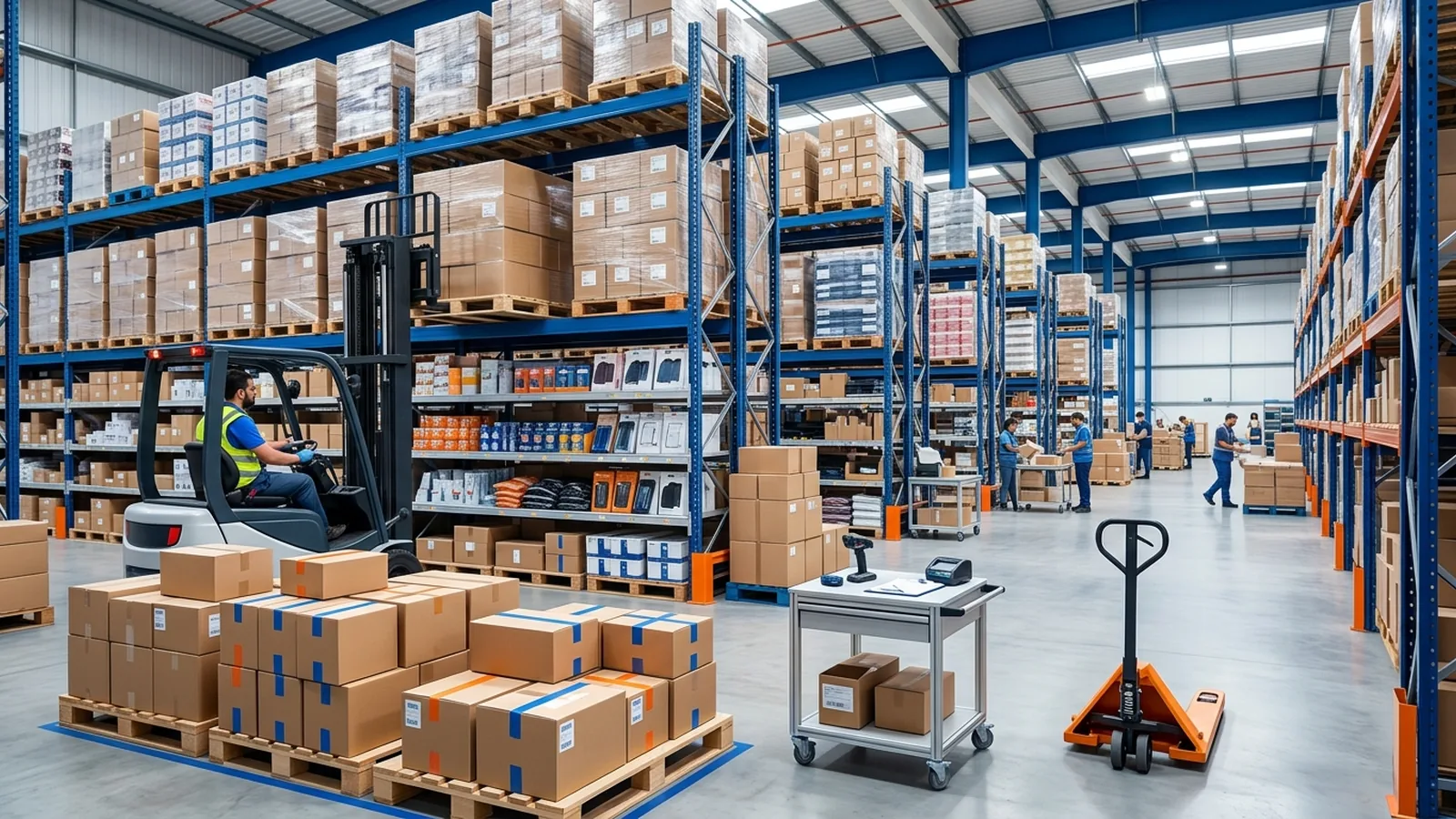
A well-organized warehouse is the backbone of any successful retail, reseller, or distribution business in India. Whether you're managing a 1,000-square-foot storage facility in a metro city or a sprawling distribution center serving multiple regions, how you organize your warehouse directly impacts your operational efficiency, customer satisfaction, and profitability. Poor organization leads to misplaced inventory, delayed shipments, increased labor costs, and ultimately, lost revenue opportunities.
For Indian businesses navigating competitive markets and tight margins, warehouse organization isn't just about tidiness—it's a strategic advantage. When your team can locate products quickly, fulfill orders accurately, and maximize every square foot of expensive real estate, you position your business for sustainable growth. This comprehensive guide shares proven warehouse organization tips tailored for the Indian business context, covering everything from layout planning to technology integration.
Whether you're setting up a new facility or optimizing an existing operation, these actionable strategies will help you transform your warehouse into a streamlined, productive asset that supports your business goals.
Why Warehouse Organization Matters
Before diving into specific techniques, it's important to understand the tangible benefits that proper warehouse organization delivers to your business. Many small and medium businesses underestimate the compounding impact of disorganization on their operations.
First, organized warehouses dramatically reduce picking and packing time. Studies show that warehouse workers spend up to 50% of their time simply walking and searching for items. When products have designated locations and logical placement, your team can fulfill orders in a fraction of the time, allowing you to process more orders with the same workforce.
Second, organization directly improves inventory accuracy. Misplaced items often lead to phantom stock issues—your system shows inventory you cannot find, resulting in overselling and customer disappointment. A structured approach to wholesale inventory placement minimizes these costly errors and builds customer trust.
Third, effective organization maximizes space utilization. Warehouse real estate costs continue to rise across Indian cities, making efficient space usage increasingly critical. Strategic organization can increase your storage capacity by 20-40% without expanding your physical footprint, significantly improving your return on real estate investment.
Finally, a well-organized warehouse creates a safer work environment. Clear aisles, properly stacked materials, and designated zones reduce accidents, lower insurance costs, and demonstrate your commitment to employee welfare—increasingly important considerations for responsible businesses.
Planning Your Warehouse Layout
The foundation of warehouse organization begins with a thoughtful layout that aligns with your business operations and workflow patterns. Different businesses require different configurations, so understanding the core layout principles helps you make informed decisions.
Understanding Common Layout Types
The U-shaped layout positions receiving and shipping areas at the same end of the warehouse, with storage in between. This configuration works exceptionally well for smaller operations where the same team handles both receiving and dispatch. It minimizes cross-traffic and simplifies supervision, making it popular among Indian small businesses with limited staff.
The I-shaped or through-flow layout places receiving at one end and shipping at the opposite end, with storage in the middle. This linear flow suits high-volume operations where inventory moves quickly through the facility. It prevents congestion by separating incoming and outgoing activities, ideal for businesses handling liquidation lots that require rapid turnover.
The L-shaped layout accommodates facilities with irregular dimensions or those sharing space with retail or office areas. While less common, it can be highly efficient when properly designed around your specific constraints.
Zoning Your Warehouse Space
Divide your warehouse into functional zones to create clear operational boundaries. Essential zones include:
- Receiving Area: Designated space for inspecting, counting, and processing incoming shipments with adequate room for quality checks
- Reserve Storage: Bulk inventory kept in high-density storage systems for items not immediately needed for picking
- Forward Picking Area: Fast-moving items positioned for easy access, typically representing 20% of SKUs that generate 80% of orders
- Packing and Staging: Dedicated space for order assembly, packing, labeling, and preparation for dispatch
- Shipping Area: Final staging zone organized by carrier or delivery route with easy loading dock access
- Returns Processing: Separate area to inspect, evaluate, and restock returned merchandise without disrupting main workflows
For businesses dealing with diverse product categories through procurement channels, consider creating category-specific zones. Electronics, textiles, FMCG products, and seasonal items each have unique storage requirements that benefit from dedicated areas.
Calculating Optimal Aisle Width
Aisle width represents a critical trade-off between accessibility and storage capacity. Narrow aisles maximize storage density but may slow down operations and limit equipment options. Consider these guidelines:
| Operation Type | Recommended Width | Equipment Used |
|---|---|---|
| Manual Picking | 2.4-3.0 meters | Hand carts, pallet jacks |
| Counterbalance Forklift | 3.5-4.0 meters | Standard forklifts |
| Reach Truck | 2.7-3.2 meters | Narrow aisle reach trucks |
| Very Narrow Aisle (VNA) | 1.8-2.1 meters | Specialized VNA equipment |
Most small to medium Indian warehouses optimize around 2.8-3.2 meter aisles, which accommodate manual operations while leaving room for future equipment upgrades as the business scales.
Inventory Classification Methods
Not all inventory deserves equal attention or prime real estate. Strategic classification systems help you prioritize storage locations and management effort based on actual business impact.
ABC Classification System
The Pareto principle applies powerfully to inventory management. ABC classification segments your stock into three tiers:
Category A items typically represent 15-20% of your SKUs but generate 70-80% of your revenue or order frequency. These high-performers deserve prime picking locations closest to packing areas, frequent stock checks, and tight inventory controls. Examples might include trending electronics, fast-moving consumer goods, or seasonal bestsellers.
Category B items constitute 30-35% of SKUs generating 15-20% of value. These moderate movers warrant standard attention and should occupy middle-tier locations with regular but less intensive monitoring.
Category C items make up 45-50% of SKUs but contribute only 5-10% of value. These slow-movers can occupy less accessible areas like upper shelves or back zones. While individually less important, proper management prevents them from consuming disproportionate resources.
Conduct ABC analysis quarterly to adjust for seasonal changes, market trends, and evolving customer preferences. What sells briskly during Diwali may languish in summer months, requiring strategic relocation.
Velocity-Based Organization
Similar to ABC classification but focused purely on movement frequency, velocity-based organization places fastest-turning items in golden zones—areas requiring minimal travel distance and effort. This approach particularly benefits e-commerce fulfillment and businesses handling diverse wholesale catalog items.
Implement a "hot zone" near your packing station for daily fast-movers, a "warm zone" for weekly turnover items, and "cold storage" for monthly or slower-moving inventory. Regularly analyze pick data to reassign locations as velocity patterns shift.
Product Affinity Grouping
Organize frequently purchased together items in close proximity to enable efficient multi-item picking. If customers typically buy phone cases with screen protectors, or matching apparel sets, co-location reduces picker travel time significantly.
Analyze order patterns to identify these relationships. Modern inventory software can reveal non-obvious affinities that manual observation might miss, particularly valuable for businesses with extensive product ranges.
Storage Systems and Solutions
Selecting appropriate storage systems transforms warehouse capacity and accessibility. The Indian market offers diverse options at various price points, allowing businesses to match solutions with budgets and requirements.
Pallet Racking Systems
Selective pallet racking provides direct access to every pallet position, ideal for diverse inventory with varied SKUs. While offering lower density than other systems, the accessibility suits businesses requiring frequent inventory rotation. Industrial areas in cities like Mumbai, Pune, and Bangalore have numerous vendors offering customizable racking at competitive rates.
Drive-in and drive-through racking maximizes density for high-volume, low-SKU inventory. Forklifts drive directly into the rack structure to deposit or retrieve pallets. This system works well for wholesalers handling large quantities of identical products where LIFO (Last In, First Out) inventory management is acceptable.
Push-back racking offers a middle ground—higher density than selective racks with better accessibility than drive-in systems. Pallets load from the front and push back on inclined rails, automatically bringing the next pallet forward when one is removed.
Shelving Solutions
For smaller items and manual picking operations, industrial shelving offers cost-effective organization. Adjustable steel shelving accommodates varying product sizes and allows easy reconfiguration as your inventory mix evolves.
Bin shelving with plastic or metal containers keeps small parts, accessories, and components organized. Color-coded bins by category or velocity enable quick visual identification, reducing picking errors especially valuable when managing surplus inventory with mixed SKU profiles.
Mobile shelving systems mounted on tracks maximize storage density in constrained spaces. While requiring higher initial investment, they can nearly double storage capacity in expensive urban locations where every square foot counts.
Mezzanine and Vertical Space Utilization
Many warehouses underutilize vertical space. Installing mezzanine levels effectively doubles usable floor area without expanding your footprint or relocating. This solution particularly benefits businesses in high-rent metros where horizontal expansion is prohibitively expensive.
Consider ceiling height, floor loading capacity, and safety requirements before installation. Consult structural engineers to ensure compliance with Indian building codes and safety standards.
Bulk and Floor Storage
For heavy, large, or irregularly shaped items, floor stacking remains practical. Establish clear lane markings, height restrictions, and load limits to maintain organization and safety. This approach suits businesses handling furniture, appliances, or industrial equipment purchased through wholesale channels.
When floor stacking, implement the block stacking method—grouping identical items together in blocks separated by aisles. This maintains accessibility while maximizing density for bulk inventory.
Labeling and Signage Systems
Even the most logical layout fails without clear identification systems. Comprehensive labeling and signage eliminate confusion, accelerate training, and ensure consistency across shifts and staff changes.
Location Naming Conventions
Develop a systematic location naming system that enables anyone to find any item quickly. The most common approach uses a combination of zone-aisle-rack-shelf-bin identifiers.
For example, "A-03-B-04-02" might indicate Zone A, Aisle 3, Bay B, Shelf 4, Bin 2. This alphanumeric system scales effectively and integrates seamlessly with warehouse management software. Maintain consistency—once established, never change the core logic as it creates confusion and errors.
Document your naming convention clearly and include it in all training materials. Post reference guides at warehouse entrances and break areas for easy consultation.
Visual Signage Best Practices
Implement multi-level signage for different viewing distances. High-level signs suspended from ceilings identify zones and main aisles visible from across the warehouse. Mid-level signs on rack ends indicate specific aisle numbers and product categories. Shelf-level labels pinpoint exact storage locations.
Use color coding to enhance visual navigation. Assign distinct colors to different product categories, zones, or handling requirements (fragile, temperature-sensitive, hazardous). This visual system enables faster recognition than text alone, particularly valuable in multi-lingual workforces common in Indian warehouses.
Ensure adequate lighting for all signage. Poorly lit labels slow operations and increase errors, negating organizational investments. LED lighting offers energy efficiency while providing excellent visibility.
Product and Inventory Labels
Every product should carry clear identification including SKU, description, quantity, and storage requirements. Barcode labels enable fast scanning for receiving, picking, and cycle counting operations.
For businesses handling mixed inventory types including overstock, returns, and liquidation items, implement condition labels indicating "New," "Like New," "Open Box," or "Refurbished" status. This prevents mixing and maintains inventory accuracy critical for customer satisfaction.
Consider implementing date-based labels for perishable or time-sensitive inventory. FIFO (First In, First Out) management requires clear date visibility to ensure proper stock rotation.
Technology and Tools for Organization
While good organization starts with physical systems, technology amplifies efficiency and accuracy. Modern solutions have become increasingly affordable and accessible for Indian small and medium businesses.
Warehouse Management Systems (WMS)
A WMS digitally tracks inventory locations, movements, and quantities in real-time. Cloud-based WMS platforms offer subscription pricing that eliminates heavy upfront investment, making enterprise-level functionality accessible to growing businesses.
Key WMS features for organization include directed putaway (system tells staff exactly where to store items), wave picking optimization, real-time inventory tracking, and automated replenishment alerts. Integration with your sales channels ensures inventory accuracy across all platforms.
Indian-developed WMS solutions like Ginesys, Unicommerce, and others offer localized features including GST compliance, multi-language support, and regional payment integration, often at more competitive pricing than international platforms.
Barcode and RFID Systems
Barcode scanning dramatically improves accuracy versus manual data entry. Basic barcode systems require minimal investment—thermal label printers cost ₹15,000-30,000, while handheld scanners range from ₹3,000-15,000 depending on features.
RFID technology offers touchless scanning and simultaneous multiple-item reading but requires higher investment. Evaluate cost-benefit based on your scale—RFID makes sense for high-volume operations where speed advantages justify costs, while barcodes serve most small to medium businesses effectively.
Inventory Management Software
For businesses not yet ready for full WMS implementation, standalone inventory management software provides essential tracking functionality. Cloud platforms like Zoho Inventory, TradeGecko (now QuickBooks Commerce), and others offer affordable entry points with scalability as you grow.
These tools help maintain accurate stock levels, generate reorder points, track inventory across multiple locations, and integrate with e-commerce platforms—critical for businesses sourcing through various wholesale pricing tiers and channels.
Mobile Technology
Equip warehouse staff with smartphones or tablets running inventory apps. Mobile technology enables real-time updates, eliminates paper-based processes, and provides instant access to product information, locations, and order details anywhere in the facility.
Many WMS and inventory platforms offer mobile apps included with subscriptions. This mobility particularly benefits multi-location businesses managing warehouses across different cities or regions.
Safety and Compliance Considerations
Warehouse organization cannot compromise safety. Beyond moral and legal obligations, safe warehouses operate more efficiently with lower insurance costs and better employee retention.
Aisles and Egress Routes
Maintain clear, marked aisles at all times. Use floor tape or paint to designate pedestrian walkways separate from equipment traffic. Never allow inventory to obstruct aisles or emergency exits, even temporarily during busy periods.
Indian factories and warehouses must comply with the Factories Act, 1948, and relevant state regulations regarding aisle width, emergency exits, and safe working conditions. Familiarize yourself with applicable regulations and ensure compliance.
Weight Distribution and Load Limits
Every storage system has load-bearing limits. Clearly mark maximum weight capacities on racks and shelving. Train staff on proper weight distribution—heavier items on lower shelves, lighter items above—to prevent tipping and collapse.
Regular structural inspections identify damage or stress before failures occur. This preventive approach protects both personnel and inventory investment.
Fire Safety and Hazardous Materials
Install adequate fire extinguishers, smoke detectors, and sprinkler systems per local fire codes. Keep fire safety equipment accessible and unobstructed. Conduct regular fire drills so staff know evacuation procedures.
Segregate hazardous materials in dedicated areas with appropriate ventilation, containment, and warning signage. Comply with Manufacture, Storage and Import of Hazardous Chemical Rules, 1989, if handling regulated substances.
Lighting and Ergonomics
Adequate lighting prevents accidents and improves accuracy. Standard warehouse lighting should provide 200-300 lux general illumination with task lighting at picking stations offering 500+ lux for detail work.
Consider ergonomic factors in organization design. Frequently picked items at waist height reduce bending and reaching. Provide appropriate material handling equipment—hand trucks, pallet jacks, lift tables—to minimize manual lifting injuries.
Maintenance and Continuous Improvement
Organization requires ongoing attention. Even well-designed systems deteriorate without maintenance and adaptation to changing business needs.
Implementing the 5S Methodology
The Japanese 5S system provides a framework for maintaining organization:
- Sort (Seiri): Remove unnecessary items from the warehouse. Conduct quarterly reviews identifying slow-moving or obsolete inventory for liquidation or disposal
- Set in Order (Seiton): Assign specific locations for everything and ensure items return to designated spots after use
- Shine (Seiso): Keep the facility clean. Regular cleaning reveals maintenance issues, improves safety, and demonstrates professional standards
- Standardize (Seiketsu): Establish standard operating procedures for receiving, putaway, picking, and packing. Document and train consistently
- Sustain (Shitsuke): Make organization habits rather than events through regular audits, accountability, and positive reinforcement
Implement 5S gradually, starting with one zone before expanding warehouse-wide. This builds competence and demonstrates results that motivate continued effort.
Cycle Counting and Audits
Regular cycle counting maintains inventory accuracy without disruptive annual physical counts. Divide inventory into segments and count different sections daily or weekly on a rolling schedule.
Prioritize A-category items for frequent counting given their revenue impact. Investigate discrepancies immediately to identify root causes—process errors, theft, damage—and implement corrective measures.
Conduct quarterly organization audits assessing signage clarity, aisle cleanliness, adherence to storage standards, and safety compliance. Involve team members in audits to build ownership and gather frontline insights.
Performance Metrics
Track key metrics to evaluate organizational effectiveness and identify improvement opportunities:
- Order picking accuracy: Percentage of orders fulfilled without errors
- Average pick time: Minutes required to pick an average order
- Inventory accuracy: Percentage match between physical count and system records
- Space utilization: Percentage of available cubic footage actively storing inventory
- Putaway time: Time from receiving to proper storage completion
- Order cycle time: Time from order receipt to ready-for-shipment
Establish baseline measurements, set improvement targets, and review monthly. Share results with staff to build awareness and celebrate progress.
Adapting to Seasonal Changes
Indian retail experiences pronounced seasonal variations—Diwali, wedding seasons, summer products, festival inventory. Build flexibility into organization systems to accommodate these predictable surges.
Create flexible zones that can expand or contract with seasonal inventory. Use mobile shelving or temporary racking during peak seasons. Plan these changes in advance rather than reacting chaotically when inventory arrives.
After peak seasons, promptly reorganize to reclaim space occupied by temporary inventory. This discipline prevents seasonal creep where temporary arrangements become permanent clutter.
Staff Training and Engagement
The best organizational systems fail without trained, engaged staff. Invest in comprehensive onboarding covering your specific location system, product organization logic, and standard procedures.
Create visual job aids showing proper procedures, storage locations for common items, and safety protocols. Multilingual materials accommodate diverse workforces common in Indian warehouses.
Recognize and reward organizational excellence. When staff members consistently maintain standards, identify improvement opportunities, or mentor others effectively, acknowledge their contributions. This positive reinforcement builds culture supporting sustained organization.
Conclusion
Effective warehouse organization represents one of the highest-return investments available to Indian retailers, resellers, and distributors. The strategies outlined in this guide—thoughtful layout planning, intelligent inventory classification, appropriate storage systems, clear labeling, enabling technology, uncompromising safety standards, and continuous improvement—work together to transform warehouses from cost centers into competitive advantages.
Implementation doesn't require massive investment or overnight transformation. Start with high-impact, low-cost changes: implement ABC classification, improve labeling, establish clear zones, and train staff thoroughly. Build on these foundations progressively, adding technology and advanced systems as you scale and ROI justifies investment.
Remember that organization is a journey, not a destination. Markets evolve, product mixes change, and businesses grow. The most successful operations embrace continuous improvement, regularly reassessing and refining their warehouse organization to maintain peak efficiency regardless of changing circumstances.
Your organized, efficient warehouse positions you to fulfill orders faster, serve customers better, and scale operations profitably. Whether you're managing electronics, apparel, FMCG products, or diversified inventory, these warehouse organization tips provide the foundation for operational excellence that drives business success in India's dynamic marketplace.
Ready to stock your newly organized warehouse with quality inventory? Browse wholesale lots and liquidation stock on DealsGoKart today. Discover competitively priced merchandise across categories, connect with verified suppliers, and access the inventory your business needs to thrive. Visit our contact page to learn how DealsGoKart can support your procurement needs, or explore about us to understand why thousands of Indian businesses trust our platform for their wholesale sourcing requirements.
Frequently asked questions
The U-shaped layout is often ideal for small warehouses, with receiving and shipping at the same end. This design minimizes travel distance, simplifies workflows, and allows better supervision with limited staff. The key is to place fast-moving inventory closest to the dispatch area.
Ready to source smarter?
Ready to stock your newly organized warehouse with quality inventory? Browse wholesale lots and liquidation stock on DealsGoKart today.