
15 Best Liquidation Business Ideas for India 2024
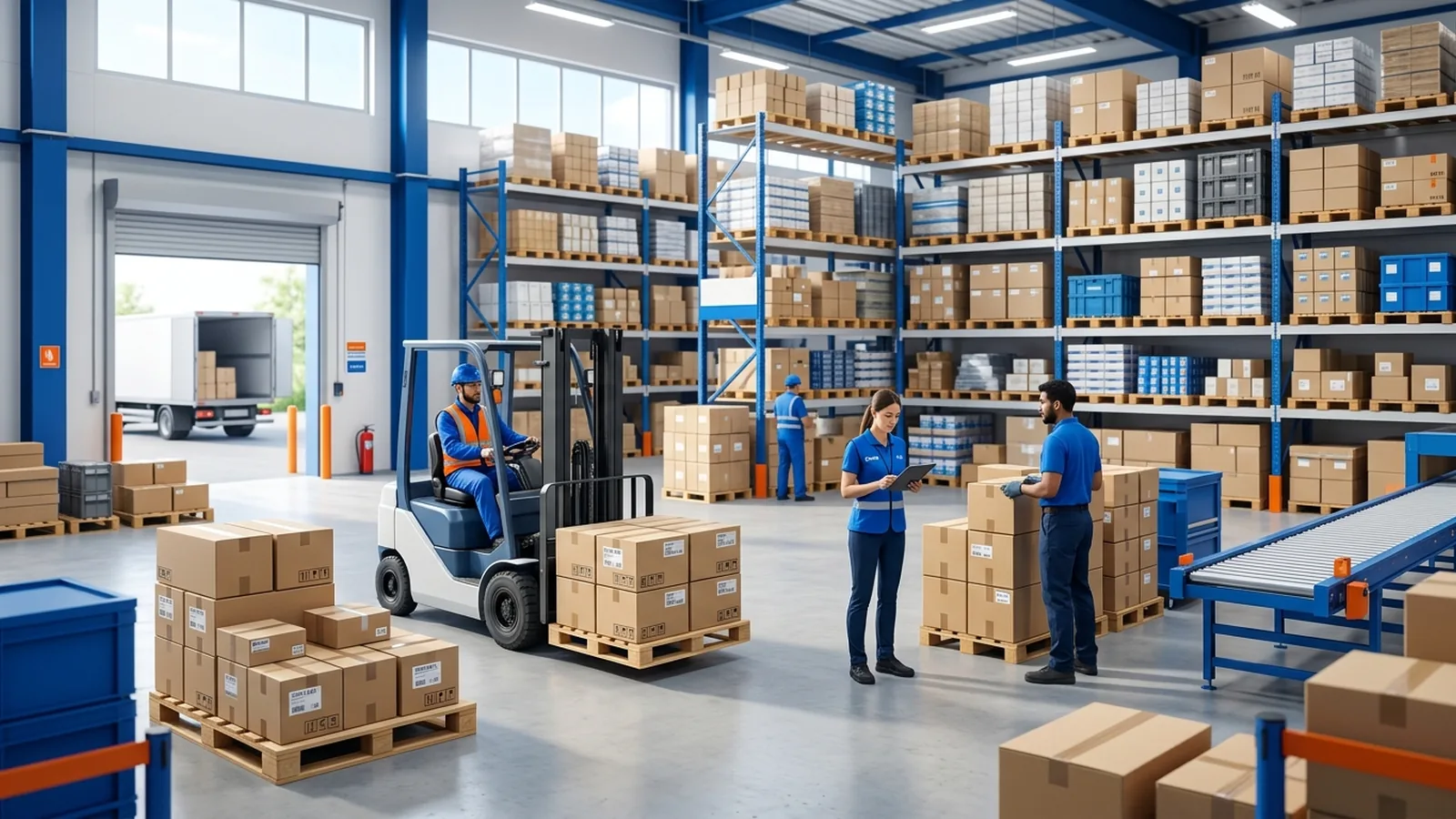
The liquidation business landscape in India is experiencing unprecedented growth, driven by e-commerce expansion, increasing consumer demand for value products, and a massive surplus inventory ecosystem. For entrepreneurs seeking low-investment, high-margin business opportunities, liquidation offers one of the most accessible entry points into profitable commerce. Whether you're a first-time entrepreneur, an existing retailer looking to diversify, or a procurement professional exploring new ventures, the liquidation sector presents multiple proven business models.
This comprehensive guide explores the 15 best liquidation business ideas tailored for the Indian market. Each model comes with its unique advantages, investment requirements, and scalability potential. From online resale operations you can run from home to full-scale wholesale distribution networks, these ideas cater to different skill sets, capital levels, and market ambitions. Let's dive into how you can build a sustainable, profitable business by tapping into India's thriving liquidation ecosystem.
Why Start a Liquidation Business in India?
Before exploring specific business ideas, it's crucial to understand why liquidation represents such a compelling opportunity in today's Indian market. The fundamental economics are simple: manufacturers, importers, and retailers constantly generate surplus inventory through overproduction, seasonal changes, returns, packaging changes, and discontinued lines. This creates a continuous supply of quality merchandise available at 30-70% below wholesale cost.
The Indian consumer market increasingly values smart shopping and quality bargains. With rising price consciousness across demographics, there's robust demand for branded products at discounted prices. Meanwhile, India's digital infrastructure has made it easier than ever to source inventory, reach customers, and manage operations efficiently. The combination of abundant supply, strong demand, and enabling technology creates perfect conditions for liquidation businesses to thrive.
Additionally, liquidation businesses typically require significantly lower initial capital compared to traditional retail. You're buying inventory at deeply discounted prices, which means your working capital stretches further. The barrier to entry is low, the learning curve is manageable, and the potential for rapid scaling is substantial for those who master the fundamentals.
Online Marketplace Resale
One of the most accessible liquidation business ideas is reselling liquidation inventory through established online marketplaces. This model requires minimal upfront investment and can be operated from home, making it ideal for beginners and part-time entrepreneurs.
You source liquidation lots from wholesale inventory platforms, then list individual items or small bundles on marketplaces like Amazon, Flipkart, Meesho, or specialized platforms. The key is purchasing mixed lots at rock-bottom prices and selling items individually at market rates, capturing the margin between bulk and retail pricing.
Getting Started with Online Resale
- Initial Investment: ₹50,000 - ₹2,00,000 for starter inventory
- Source diverse liquidation lots across categories to test what sells best in your market
- Create professional listings with quality photos and detailed descriptions
- Focus on fast-moving categories: electronics accessories, fashion accessories, home decor, beauty products
- Optimize pricing to be competitive while maintaining healthy margins (40-100%)
- Build seller ratings through excellent service and prompt shipping
The beauty of this model is its scalability. Start with one or two lots, learn the process, identify winning categories, then reinvest profits to expand your inventory. Many successful e-commerce businesses in India began exactly this way, eventually growing into six and seven-figure operations.
Brick-and-Mortar Discount Store
Physical discount stores focusing on liquidation merchandise remain highly profitable, especially in Tier 2 and Tier 3 cities where organized discount retail is still underpenetrated. These stores attract bargain hunters, value-conscious families, and shoppers who prefer touching and examining products before purchase.
Your store becomes the local destination for branded products at unbeatable prices. By maintaining a constantly rotating inventory sourced from liquidation channels, you create excitement and repeat visits as customers never know what treasures they'll find.
Key Success Factors
- Strategic location: High foot-traffic areas near residential neighborhoods or market districts
- Diverse inventory mix: Clothing, home goods, electronics, toys, seasonal items
- Clear value proposition: "Branded Products at 50-70% Off" messaging
- Regular inventory refresh: New stock weekly to encourage repeat visits
- Clean, organized presentation: Despite discount pricing, maintain store standards
Investment for a modest 500-800 sq ft store ranges from ₹5-10 lakhs including security deposit, fixtures, initial inventory, and working capital. Margins typically range from 50-150% on cost, with proper category management and inventory turnover.
Export Liquidation Business
India's position as a manufacturing hub creates excellent opportunities for exporting liquidation and surplus inventory to markets in Africa, Middle East, Southeast Asia, and even developed markets seeking specific product categories. This B2B model requires more sophistication but offers substantial profit potential.
You identify export markets with demand for specific product categories, source large liquidation lots domestically at competitive prices, handle export documentation and logistics, and sell to overseas retailers, wholesalers, or distribution networks. Categories like textiles, home furnishings, handicrafts, and certain electronics work particularly well.
Essential Requirements
- Understanding of export regulations, documentation (IEC code, GST, shipping documents)
- Relationships with international buyers or participation in trade shows
- Logistics partnerships for shipping and customs clearance
- Higher working capital (₹10-25 lakhs minimum) for container-level purchases
- Quality control processes to ensure export-grade merchandise
The margins justify the complexity—markups of 100-300% are achievable depending on destination markets and product categories. Building a successful export operation takes time but creates a valuable, defensible business asset.
Niche-Specific Liquidation
Rather than being a generalist, focusing on a specific product niche allows you to develop deep expertise, build specialized customer bases, and command better margins. Niche liquidation businesses become the go-to source for specific product categories.
Popular niches in the Indian market include:
- Electronics and accessories: Phones, tablets, headphones, chargers, smart devices
- Fashion and apparel: Branded clothing, shoes, bags, accessories for specific demographics
- Toys and games: Educational toys, board games, action figures, seasonal items
- Beauty and cosmetics: Makeup, skincare, haircare, wellness products
- Home improvement: Tools, hardware, lighting, bathroom and kitchen fixtures
- Sports and fitness: Exercise equipment, sportswear, outdoor gear
- Books and stationery: Excess publisher inventory, school supplies, office products
Specialization allows you to develop category expertise, build supplier relationships for consistent quality inventory, create targeted marketing, and establish brand authority. Your specialized inventory sourcing becomes more efficient as suppliers recognize your focus and bring relevant opportunities to you first.
Wholesale Distribution to Retailers
Position yourself as the middleman between liquidation sources and small retailers who lack the resources, knowledge, or connections to source directly. This B2B model focuses on volume over margins but creates steady, scalable revenue streams.
You purchase large liquidation lots, break them down into smaller, retailer-friendly quantities, and distribute to neighborhood stores, market vendors, and small shop owners. Your value proposition is convenience, variety, and access to inventory these retailers couldn't obtain otherwise.
Building a Distribution Network
| Phase | Activities | Timeline |
|---|---|---|
| Foundation | Source initial inventory, identify 10-15 retailer clients, establish delivery logistics | Months 1-3 |
| Expansion | Grow to 30-50 clients, diversify product range, optimize pricing and terms | Months 4-9 |
| Scale | Reach 100+ clients, hire sales team, establish warehouse, systematic operations | Months 10-18 |
| Maturity | Multiple territories, category specialists, technology systems, strong margins | 18+ months |
Success requires excellent relationships, reliable delivery, competitive pricing, and consistent inventory availability. Start with ₹3-7 lakhs for inventory and logistics, focusing initially on your local market before expanding regionally.
Auction Buying and Flipping
Liquidation auctions—both online and offline—offer opportunities to acquire inventory at the absolute lowest prices, often 10-30% of wholesale value. The catch is you're competing with other buyers, lots are sold as-is, and you need quick decision-making skills and ready capital.
This business model involves regularly monitoring auction platforms, attending physical auctions, quickly assessing lot value, bidding strategically, and then reselling through various channels at substantial markups. Categories like electronics, vehicles, machinery, and branded apparel frequently appear in auctions.
Develop expertise in specific categories so you can rapidly assess value and condition. Build relationships with auctioneers for advance information. Inspect lots carefully before bidding. Have clear resale channels established so you can move inventory quickly after acquisition. Most importantly, maintain strict bidding discipline—it's easy to overpay in the heat of competitive bidding.
Liquidation Pallet Business
The pallet business involves purchasing mixed merchandise pallets from liquidators, sorting and grading the contents, and reselling items through multiple channels based on condition and value. This model has gained significant traction globally and is emerging in India's organized liquidation sector.
Pallets typically contain customer returns, overstock, or shelf pulls from major retailers. You might pay ₹15,000-40,000 for a pallet that contains ₹1-3 lakhs worth of retail merchandise. However, items vary in condition from new-in-box to damaged or incomplete.
Pallet Business Process
- Purchase pallets from reliable liquidation sources with manifest information when possible
- Receive and unbox systematically, documenting all contents
- Sort items by condition: new, like-new, good, fair, parts/repair, unsellable
- Create multiple sales channels: premium items on marketplaces, good condition in lots, damaged items for parts
- Track profitability per pallet to refine buying decisions
- Develop efficient processing systems to handle volume
This model requires space for receiving and processing, systematic operations, and patience as you learn which pallet sources and categories deliver the best returns. Expect 6-8 weeks to turn around your first few pallets as you learn, then progressively faster as systems improve.
Refurbishment and Resale
Many liquidation lots contain products that are fully functional but cosmetically imperfect, slightly damaged, or missing minor components. A refurbishment business adds value by repairing, cleaning, repackaging, or completing these items before resale at significantly higher prices than as-is condition.
This model works exceptionally well for electronics, furniture, appliances, sporting goods, and toys. You're essentially providing light manufacturing or repair services that transform low-value liquidation goods into sellable products.
Start by focusing on categories where you have technical skills. For electronics, this might mean replacing screens, batteries, or charging ports. For furniture, refinishing or reupholstering. For appliances, replacing parts or deep cleaning. The key is keeping refurbishment costs low enough that you maintain healthy margins even when selling below standard retail prices.
Investment includes tools and workspace for refurbishment (₹1-3 lakhs), inventory acquisition, and replacement parts. Margins can exceed 200-300% when you successfully transform damaged goods into like-new condition. This model also creates employment opportunities for skilled technicians and craftspeople.
Rental Business Using Liquidation Stock
An innovative approach is purchasing liquidation inventory not for resale but for rental income. This works particularly well for high-value items like electronics, appliances, furniture, event equipment, tools, and camping gear.
You acquire these items at liquidation prices (often 20-40% of retail), then rent them out repeatedly, recovering your investment multiple times over. A ₹10,000 projector purchased for ₹3,000 in liquidation might rent for ₹500-800 per day, paying for itself in 4-6 rentals while providing ongoing income.
Best Categories for Liquidation-to-Rental
- Event equipment: projectors, speakers, lighting, furniture
- Tools and machinery: power tools, construction equipment, gardening tools
- Electronics: cameras, gaming consoles, laptops, tablets
- Party supplies: tents, tables, chairs, decorations
- Fitness equipment: treadmills, bikes, weights
- Camping and outdoor gear: tents, sleeping bags, coolers
This model requires inventory management systems, maintenance capabilities, customer verification processes, and security deposits. However, it transforms one-time liquidation purchases into recurring revenue streams with attractive unit economics.
Liquidation Subscription Box Service
Subscription boxes have exploded in popularity, and liquidation inventory provides perfect contents for "mystery" or "surprise" box services. Customers pay a monthly fee to receive a curated box of items from various categories, never knowing exactly what they'll get.
Your liquidation sourcing allows you to fill boxes with ₹1,500-3,000 worth of retail merchandise while only spending ₹300-600, creating strong margins while delivering exceptional value to subscribers. Popular variations include beauty boxes, snack boxes, toy boxes for children, gadget boxes, and general lifestyle boxes.
Success requires excellent inventory procurement to ensure variety and quality, attractive packaging and unboxing experience, social media marketing to build subscriber base, and retention strategies to minimize churn. Start with 50-100 subscribers to prove the concept, then scale through influencer partnerships and paid advertising.
Initial investment of ₹2-4 lakhs covers website development, initial inventory for 3 months, packaging materials, and marketing. Monthly recurring revenue creates business value and predictable cash flow once you reach scale.
B2B Sourcing Agent
Rather than holding inventory yourself, you can build a liquidation business as a sourcing agent connecting suppliers with buyers for a commission or markup. This model requires minimal capital but demands excellent networking, market knowledge, and relationship-building skills.
You develop deep knowledge of liquidation sources across categories, build a database of reliable buyers (retailers, wholesalers, exporters), match available inventory with buyer needs, facilitate transactions, and earn a percentage of the deal value. Your value is expertise, access, and convenience—saving both sides time and risk.
Focus initially on specific categories or buyer types. Perhaps you specialize in electronics liquidation for mobile phone retailers. Or textiles for export markets. Build reputation through successful matches, then expand your network and categories. Track record and trust are everything in this business.
This model scales beautifully because each transaction doesn't require your capital, only your expertise and network. Successful agents eventually build platforms connecting multiple suppliers with multiple buyers, taking a small percentage of growing transaction volumes.
How to Get Started with Your Liquidation Business
Regardless of which liquidation business idea appeals to you, certain fundamental steps apply to launching successfully. Following this structured approach minimizes risks and accelerates your path to profitability.
Step 1: Research and Education
Invest time understanding the liquidation industry, product categories, pricing dynamics, and market demand. Browse available liquidation lots to understand what's available and at what prices. Study successful businesses in your chosen model. Join relevant online communities and forums. Knowledge is your foundation.
Step 2: Choose Your Business Model
Based on your capital, skills, interests, and market opportunities, select the specific liquidation business model that fits best. Don't try to do everything—focus on one approach initially. You can always expand into additional models after establishing success in your first.
Step 3: Develop Your Business Plan
Create a simple business plan covering your target market, unique value proposition, startup costs, pricing strategy, marketing approach, and financial projections. This doesn't need to be elaborate but should force you to think through key assumptions and requirements.
Step 4: Secure Initial Capital
Determine realistic startup costs for your model. Consider personal savings, family loans, business partners, or small business loans. Start conservatively—it's better to begin small and scale with profits than to overextend initially. Most liquidation businesses can start with ₹50,000 - ₹5,00,000 depending on the model.
Step 5: Register Your Business
Complete necessary legal registrations including business entity formation, GST registration, and any category-specific licenses. While you can start very small informally, proper registration provides credibility with suppliers and legal protection as you grow.
Step 6: Establish Supplier Relationships
Connect with reliable liquidation sources through B2B platforms like DealsGoKart, direct manufacturer contacts, wholesaler networks, and auction platforms. Start with small test purchases to evaluate quality and reliability before committing to larger orders. Building strong supplier relationships is critical for long-term success.
Step 7: Set Up Operations
Establish your operational infrastructure—whether that's a spare room for online resale, warehouse space for distribution, or retail location for a physical store. Implement basic inventory management, even if just spreadsheets initially. Create processes for receiving, sorting, pricing, and selling inventory.
Step 8: Make Your First Purchase
Start with a manageable first inventory purchase. Choose categories you understand and can sell relatively quickly. The goal is learning the complete cycle: purchasing, receiving, processing, pricing, marketing, selling, and customer service. Small first purchases limit risk while providing invaluable experience.
Step 9: Execute and Learn
Work through your first inventory lot methodically. Track everything: purchase price, item-level costs, selling prices, fees, shipping, time invested. Calculate actual margins and return on investment. Identify what worked well and what didn't. This real-world feedback is worth more than any amount of theoretical planning.
Step 10: Refine and Scale
Based on your learnings, refine your approach. Double down on winning categories and channels. Eliminate what doesn't work. Make your second purchase smarter than your first. Gradually increase order sizes as you gain confidence and capital. Reinvest profits for faster growth. Build systems to handle increasing volume efficiently.
Essential Success Factors
- Quality sourcing: Success starts with buying right—know your suppliers and inspect inventory carefully
- Market knowledge: Understand what sells, seasonal patterns, and pricing dynamics in your categories
- Fast inventory turnover: Don't fall in love with inventory—price to move and maintain cash flow
- Customer focus: Whether B2B or B2C, satisfied customers create repeat business and referrals
- Financial discipline: Track numbers religiously, know your margins, manage cash flow carefully
- Continuous learning: Markets change, new opportunities emerge—stay informed and adaptable
- Operational efficiency: As you scale, systems and processes become critical competitive advantages
Common Mistakes to Avoid
Learning from others' mistakes is cheaper than making them yourself. Here are pitfalls that commonly trap new liquidation entrepreneurs:
- Overbuying initially: Start small, prove the model, then scale—don't bet everything on your first purchase
- Ignoring condition issues: Carefully inspect or understand manifests—damaged/unsellable items destroy margins
- Poor pricing strategy: Price competitively based on market rates and condition, not what you paid
- Neglecting legal compliance: Proper registration and tax compliance prevents future problems
- Inadequate record keeping: Track inventory, sales, and expenses from day one for smart decisions
- Underestimating time requirements: Processing, listing, shipping, and customer service take significant time
- Chasing every deal: Focus on categories you understand rather than buying random lots because they're cheap
Building Your Liquidation Business Success Story
The liquidation industry in India offers extraordinary opportunities for entrepreneurs willing to learn, work hard, and approach the business strategically. Whether you're drawn to the online flexibility of marketplace resale, the customer interaction of retail stores, the scale of wholesale distribution, or the innovation of subscription services, there's a liquidation business model that fits your goals and circumstances.
Success in liquidation isn't about getting lucky with one amazing deal—it's about consistently executing the fundamentals: sourcing quality inventory at the right prices, understanding your market, pricing competitively, moving inventory efficiently, and delivering value to customers. Master these basics, and you'll build a sustainable, profitable business that can scale significantly over time.
The barriers to entry are low, the learning curve is manageable, and the potential returns are substantial. Many of India's successful wholesale and retail businesses started exactly where you are now—with curiosity about the liquidation opportunity and willingness to take the first step. Your timing is excellent, as India's liquidation ecosystem is professionalizing rapidly, with better infrastructure, platforms, and opportunities than ever before.
Ready to transform your entrepreneurial ambitions into reality? DealsGoKart connects you with verified suppliers offering quality liquidation inventory across hundreds of categories. Whether you're launching your first venture or expanding an existing business, our comprehensive liquidation marketplace provides the inventory, tools, and support you need to succeed. Browse available lots, connect with trusted suppliers, and start building your liquidation business today—your success story begins with the first smart purchase.
Frequently asked questions
A liquidation business involves purchasing surplus, overstock, returned, or closeout inventory from manufacturers, retailers, or wholesalers at deeply discounted prices and reselling it for profit. These businesses capitalize on the price difference between bulk liquidation prices and retail or wholesale market values.
Ready to source smarter?
Ready to launch your liquidation business? Explore thousands of verified wholesale and surplus inventory lots on DealsGoKart and connect with India's leading liquidation suppliers today.