
How to Start a Wholesale Business in India (2024 Guide)
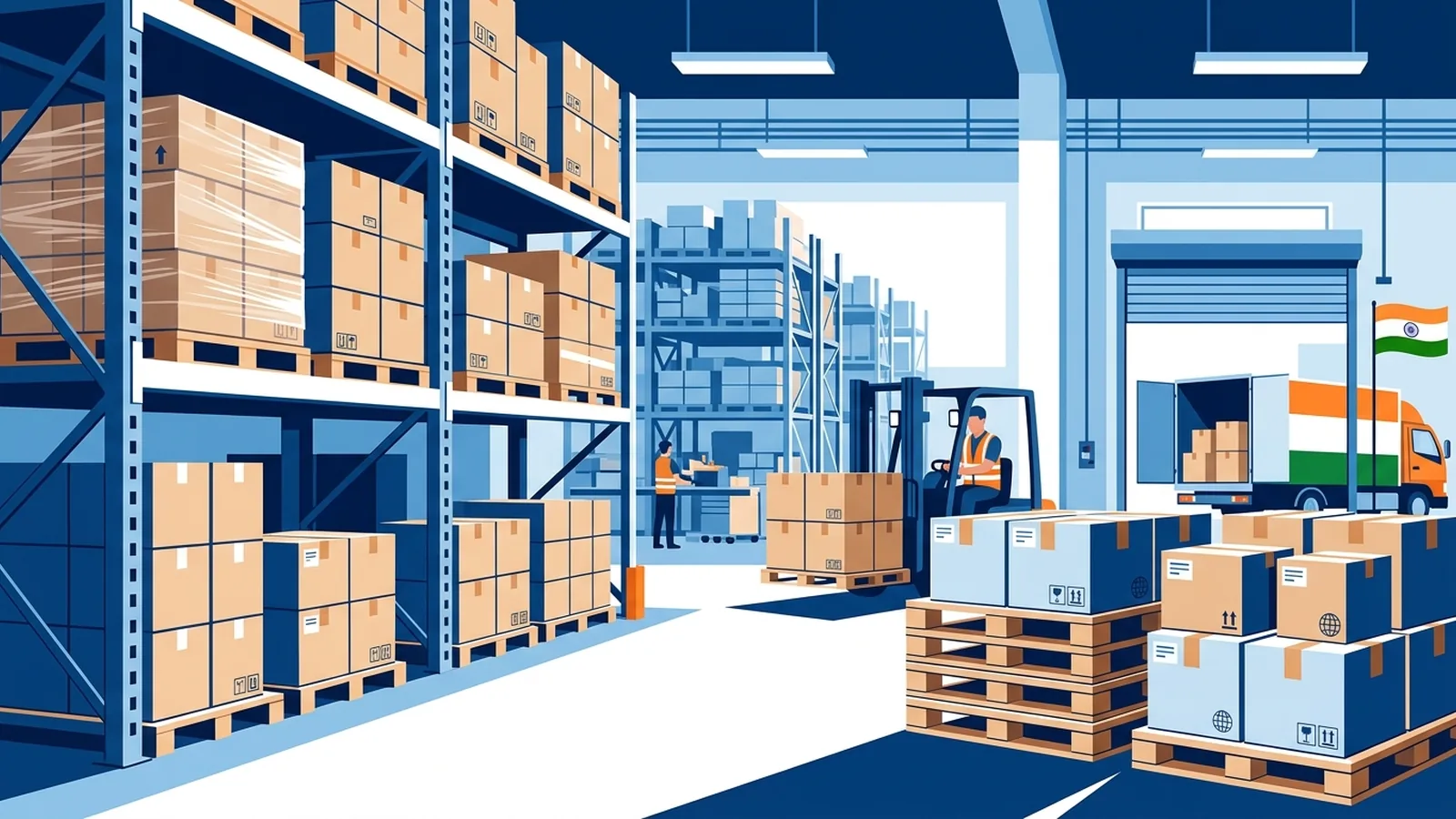
Starting a wholesale business in India presents a compelling opportunity for entrepreneurs looking to tap into the country's vast and growing retail market. With India's economy expanding and consumer demand rising across both urban and rural areas, wholesale trading serves as the critical bridge between manufacturers and retailers. Whether you're interested in electronics, fashion, FMCG products, or niche categories, understanding how to start a wholesale business properly can position you for long-term success in this dynamic sector.
The wholesale business model offers several advantages: bulk purchasing power that unlocks better pricing, the ability to serve multiple retailers simultaneously, and relatively predictable demand patterns compared to direct consumer sales. However, success requires more than just buying low and selling high. You'll need to navigate licensing requirements, develop reliable supplier relationships, implement smart inventory management, and build a network of loyal buyers who depend on you for consistent supply.
This comprehensive guide walks you through every essential step of launching your wholesale business in India—from initial planning and legal formalities to sourcing strategies, pricing models, and scaling tactics. Whether you're transitioning from retail, leaving corporate employment, or starting your first business venture, you'll find actionable insights to help you build a profitable wholesale operation.
Understanding the Wholesale Business Model
Before diving into the operational details of how to start a wholesale business, it's essential to understand what wholesale trading truly entails. Wholesalers act as intermediaries in the supply chain, purchasing goods in large quantities directly from manufacturers, importers, or liquidators, then reselling them in smaller bulk lots to retailers, distributors, or other businesses.
The wholesale business model differs fundamentally from retail in several ways. You're selling to business customers rather than individual consumers, which means larger order values, ongoing relationships, and different service expectations. Your buyers care about consistent supply, competitive pricing, payment flexibility, and reliability more than flashy marketing or consumer-facing brand building.
There are several types of wholesale business models you can adopt:
- Merchant wholesalers purchase goods outright, take ownership of inventory, and resell from their own warehouse or storage facility
- Cash-and-carry wholesalers operate warehouse-style outlets where small retailers can directly purchase goods with immediate payment
- Drop-ship wholesalers coordinate between manufacturers and retailers without holding physical inventory
- Specialty wholesalers focus on specific product categories or niche markets
- Liquidation wholesalers specialize in surplus, overstock, and returned merchandise at discounted prices
Understanding which model aligns with your capital availability, expertise, and market opportunity is the first critical decision in your wholesale journey. Many successful wholesalers start with a lean merchant model focusing on fast-moving categories, then expand as they build capital and market knowledge.
Market Research and Business Planning
Thorough market research forms the foundation of any successful wholesale business. Start by identifying product categories with strong and growing demand in your target region. Analyze local retail patterns, consumer trends, and seasonal fluctuations. Which products do retailers struggle to source consistently? Where are there gaps in the current supply chain?
Research your competition thoroughly. Identify existing wholesalers in your chosen category—what are their strengths and weaknesses? What do their customers complain about? Look for opportunities to differentiate: perhaps faster delivery, better payment terms, superior product quality, or access to unique inventory sources that others lack.
Your business plan should address several critical questions:
- What specific product categories will you focus on initially?
- Who are your target customers (small retailers, regional distributors, online sellers)?
- What is your sourcing strategy and who are your potential suppliers?
- How much capital do you need for initial inventory, warehousing, and operations?
- What are your projected margins and break-even timeline?
- How will you differentiate from established competitors?
Consider starting with a focused niche rather than attempting to wholesale everything. Specialization allows you to develop deep product knowledge, build stronger supplier relationships, and become the go-to source for specific categories. As you establish cash flow and market presence, you can expand into complementary product lines.
Identifying Your Target Market
Defining your ideal wholesale customers helps focus your sourcing, marketing, and service delivery. Are you targeting small independent retailers in tier-2 and tier-3 cities? E-commerce resellers looking for competitive pricing? Regional distributors who need volume supply? Each customer segment has different needs, ordering patterns, and service expectations.
Visit potential customers, understand their pain points, and identify what would make you their preferred supplier. Building your business around genuine customer needs rather than assumptions dramatically increases your chances of success.
Legal Requirements and Registration
Operating a legitimate wholesale business in India requires several legal registrations and licenses. While the specific requirements may vary by state and product category, here are the essential registrations most wholesale businesses need:
Business Registration: Choose an appropriate business structure—proprietorship, partnership, LLP, or private limited company. Proprietorships are simplest for solo entrepreneurs, while partnerships work when co-founders bring complementary skills or capital. Many wholesalers start as proprietorships and convert to companies as they scale.
GST Registration: Goods and Services Tax registration is mandatory for all wholesale businesses regardless of turnover. As a wholesaler, you'll charge GST on sales and can claim input tax credits on your purchases. Register on the GST portal with required documents including PAN, Aadhaar, business address proof, and bank account details.
Shop and Establishment License: Obtained from your local municipal authority, this license is required to operate any commercial establishment. Requirements and procedures vary by state, but generally involve submitting an application with property documents and paying a nominal fee.
Trade License: Some states require a separate trade license from the municipal corporation, authorizing you to conduct wholesale business activities in your area.
Import Export Code (IEC): If you plan to import goods or source from overseas suppliers, you'll need an IEC from the Directorate General of Foreign Trade. This 10-digit code enables customs clearance for international shipments.
Category-Specific Licenses: Certain product categories require additional permits—FSSAI license for food products, drug licenses for pharmaceuticals, BIS certification for electronics, and so on. Research the regulatory requirements for your specific product categories.
Maintaining compliance isn't just about avoiding penalties—it builds credibility with suppliers and buyers, enables you to issue proper tax invoices, and allows you to access formal financing as you grow.
Sourcing Your Wholesale Inventory
Your ability to source quality inventory at competitive prices largely determines your wholesale business success. The difference between a thriving operation and a struggling one often comes down to sourcing strategy. Here are proven approaches to find reliable suppliers and negotiate favorable terms:
Manufacturer Direct Sourcing
Buying directly from manufacturers offers the best pricing, but typically requires larger order quantities. Attend industry trade shows, research manufacturer directories, and approach factories in manufacturing hubs like Tirupur (textiles), Moradabad (metal goods), or Rajkot (engineering goods). Manufacturers often welcome new distribution partners who can reach markets they don't directly serve.
B2B Wholesale Marketplaces
Digital B2B platforms have revolutionized wholesale sourcing by connecting buyers with verified suppliers nationwide. Browse wholesale inventory on platforms like DealsGoKart where you can discover liquidation stock, surplus inventory, and overstock merchandise at significant discounts. These marketplaces offer several advantages: verified suppliers, buyer protection, transparent pricing, and the ability to compare multiple options quickly.
Liquidation and Surplus Inventory
Sourcing liquidation stock, customer returns, overstock, and shelf-pulls can unlock exceptional margins. Large retailers, e-commerce companies, and manufacturers regularly liquidate excess inventory at 30-70% below wholesale cost. This strategy requires some quality inspection and may involve mixed lots, but the profit potential is substantial. Check dedicated bulk inventory lots to discover these opportunities.
Importers and Distributors
Authorized distributors and importers can supply goods you can't source directly, particularly international brands. While margins are lower than manufacturer-direct, order quantities are usually more flexible, and you gain access to established brands that attract buyers.
Building Supplier Relationships
Once you identify potential suppliers, focus on building strong relationships. Start with small trial orders to assess product quality, delivery reliability, and communication. Gradually increase order sizes as trust develops. Good suppliers become partners who offer payment flexibility, priority inventory access, and support during market challenges.
Negotiate payment terms carefully—even 15-30 days credit can significantly ease your working capital requirements. However, be realistic about your creditworthiness initially; you may need to pay cash-on-delivery for first orders until you establish track record.
| Sourcing Method | Pricing | Order Quantity | Best For |
|---|---|---|---|
| Manufacturer Direct | Lowest | High (bulk orders) | Established wholesalers with capital |
| B2B Marketplaces | Competitive | Flexible | New businesses, diverse sourcing |
| Liquidation Stock | Very Low | Varies (lot-based) | Margin-focused, quality inspection capability |
| Authorized Distributors | Moderate | Medium to Low | Brand-name products, smaller operations |
| Import Direct | Low (bulk) | Very High | Unique products, significant capital |
Developing a Competitive Pricing Strategy
Pricing in wholesale requires balancing competitiveness with profitability. Your pricing strategy must cover all costs while remaining attractive to buyers who have multiple sourcing options. Understanding the complete cost structure is essential before setting prices.
Start by calculating your all-in cost per unit, including product cost, transportation, storage, handling, packaging, and allocated overhead. Add your desired margin (typically 10-30% in wholesale) to arrive at your base selling price. Then adjust based on market conditions, competition, and customer value.
Cost-Plus Pricing
The simplest approach adds a fixed markup percentage to your cost. While straightforward, pure cost-plus pricing ignores market dynamics and competitive positioning. Use it as a baseline, then adjust based on other factors.
Competitive Pricing
Research what competitors charge for similar products and position yourself accordingly. You might price slightly lower to attract new customers, match competitors while emphasizing superior service, or price higher if you offer unique value like faster delivery or better payment terms.
Volume-Based Pricing
Offer tiered pricing that rewards larger orders. For example, base price for orders under 100 units, 5% discount for 100-500 units, 10% discount for 500+ units. This encourages larger orders, improves inventory turnover, and builds customer loyalty.
Dynamic Pricing for Liquidation Stock
When dealing with liquidation or surplus inventory purchased at steep discounts, you have flexibility to price aggressively while maintaining healthy margins. Even pricing 20-30% below market while keeping 40-50% margin creates compelling value for buyers and excellent returns for you.
Remember that in wholesale, reputation for fair and consistent pricing builds long-term customer relationships. Avoid frequent price fluctuations that erode trust. When costs change significantly, communicate transparently with established customers rather than surprising them with sudden increases.
Finding and Retaining Wholesale Buyers
With inventory sourced and pricing established, finding wholesale buyers becomes your next priority. Unlike consumer marketing, wholesale customer acquisition relies heavily on direct relationship-building, industry networking, and demonstrating reliability.
Direct Outreach to Retailers
Identify potential retail customers in your area and visit them personally. Bring samples, catalogs, and pricing sheets. Understand their current suppliers and buying patterns. Offer small trial orders to demonstrate quality and service. Personal relationships remain powerful in wholesale—face-to-face meetings build trust faster than digital communication alone.
Listing on B2B Marketplaces
Create professional seller profiles on B2B platforms where retailers actively search for suppliers. List your products with clear descriptions, competitive pricing, and high-quality images. Respond promptly to inquiries and maintain updated inventory availability. Digital discovery increasingly drives wholesale connections, especially with younger entrepreneurs and online sellers.
Trade Shows and Industry Events
Participate in relevant trade exhibitions where retailers come to discover new suppliers. Even a small booth allows you to showcase products, collect business cards, and schedule follow-up meetings. Industry associations and chambers of commerce often organize buyer-seller meets worth attending.
Referral Programs
Encourage satisfied customers to refer other retailers by offering incentives—discounts on next orders, extended payment terms, or even cash rewards for successful referrals. Word-of-mouth remains incredibly powerful in wholesale where trust is paramount.
Building Loyalty Through Service
Acquiring a customer is just the beginning; retention drives profitability. Provide exceptional service: deliver on time, maintain consistent quality, respond quickly to queries, handle returns fairly, and stay in regular communication. Send market updates, new product information, and seasonal buying recommendations. Wholesale customers value partners who help them succeed, not just vendors who push products.
Consider offering value-added services that differentiate you: flexible payment terms, customized packaging, drop-shipping to their multiple locations, or marketing support materials they can use. Small gestures like remembering their business anniversaries or sending festival greetings strengthen relationships.
Logistics and Warehousing Solutions
Efficient logistics and warehousing directly impact your profitability and customer satisfaction. Your storage and distribution strategy should balance cost efficiency with service quality.
Warehouse Selection
Location matters significantly. Choosing warehouse space near major transportation hubs reduces shipping costs and delivery times. Consider proximity to your primary customer base and supplier locations. For starting out, even a small 1,000-2,000 sq ft godown suffices if you focus on fast-moving inventory with quick turnover.
Evaluate rent versus ownership based on your capital and long-term plans. Renting offers flexibility when starting out; purchasing makes sense once you've established stable operations and predictable space needs.
Inventory Management
Implement proper inventory management from day one, even if manually in spreadsheets initially. Track what you purchase, current stock levels, what you sell, and to whom. This data reveals your best-performing products, optimal reorder points, and customer buying patterns.
Consider inventory management software as you scale. Many affordable cloud-based options designed for small wholesale businesses help track stock, generate invoices, manage customer accounts, and provide business insights without heavy IT investment.
Order Fulfillment Process
Develop a systematic order fulfillment process: receive order → verify inventory → pick items → quality check → pack securely → arrange transportation → generate invoice → dispatch. Consistency in this process ensures fewer errors, faster turnaround, and better customer experience.
Transportation and Delivery
Decide between owning delivery vehicles versus using third-party logistics. Starting out, partnering with local transport companies or using aggregator platforms often makes financial sense. As order volumes grow, dedicated delivery vehicles may become cost-effective for local distribution.
Offer multiple delivery options—customer pickup, local delivery, outstation shipping via courier—to accommodate different buyer preferences and urgency levels.
Financial Management and Cash Flow
Sound financial management separates sustainable wholesale businesses from those that struggle despite good sales. Wholesale trading is working-capital intensive; managing cash flow effectively is crucial for survival and growth.
Working Capital Management
Your capital is constantly locked in inventory waiting to be sold. The faster you turn inventory, the more efficiently your capital works. Calculate your inventory turnover ratio (cost of goods sold ÷ average inventory value) and aim to improve it consistently. Industry benchmarks vary, but 8-12 turns annually (selling your entire inventory every 30-45 days) is healthy for most categories.
Balance payment terms carefully. If you get 30 days credit from suppliers but offer 45 days to customers, that 15-day gap strains cash flow. Ideally, collect from customers faster than you must pay suppliers. Early payment discounts from suppliers can be valuable—even 2% savings for paying 10 days early significantly boosts annual profitability.
Pricing for Profitability
Monitor gross margin (sales price minus product cost) and net margin (after all expenses) religiously. If gross margins shrink, adjust pricing or find better sourcing. Track margins by product category—discontinue low-margin items that don't drive volume or customer relationships.
Managing Receivables
Credit sales to reliable customers build loyalty, but outstanding receivables can cripple cash flow. Set clear credit policies based on customer track records. Follow up promptly on overdue payments. Consider offering small discounts for early payment or cash purchases. Some wholesalers use invoice financing or factoring to convert receivables to immediate cash when needed.
Funding Options
Beyond personal capital, explore business loans from banks (require collateral and track record), working capital loans, supply chain financing programs, or even partnering with investors for significant expansion. Government schemes like Mudra loans support small businesses with favorable terms. Check platform offerings as some B2B marketplaces provide financial services to their sellers.
Scaling Your Wholesale Business
Once you've established profitable operations with steady customers, strategic scaling accelerates growth and market position. Expansion should be methodical rather than opportunistic to maintain quality and profitability.
Geographic Expansion
After dominating your local market, expand to nearby cities or regions. This might involve opening additional warehouses, appointing sales representatives in new territories, or partnering with local distributors. Digital platforms make geographic expansion easier—you can serve customers nationwide from a single location by partnering with reliable logistics providers.
Product Line Extension
Add complementary product categories that appeal to your existing customer base. If you wholesale mobile accessories, adding consumer electronics makes sense since your retailers likely sell both. Leveraging existing customer relationships for new categories is more efficient than acquiring new customers.
Value Chain Integration
Consider vertical integration opportunities. Some wholesalers start manufacturing their own products to capture additional margin. Others develop private labels or exclusive arrangements with manufacturers. Forward integration might involve opening your own retail outlets or e-commerce channels, though this changes your business model significantly.
Technology Adoption
Invest in technology to improve efficiency and customer experience. Implement ERP systems for integrated inventory, accounting, and order management. Develop a customer portal where buyers can check product availability, place orders, and track shipments. Use data analytics to optimize inventory, identify trends, and personalize customer interactions.
Building a Team
Successful scaling requires moving from doing everything yourself to building a capable team. Hire for critical functions: sales representatives to acquire customers, warehouse staff for efficient operations, accounts personnel for financial management. Develop standard operating procedures so quality remains consistent as you grow.
Strategic Partnerships
Form alliances with complementary businesses. Partner with wholesalers in different categories for cross-referrals, collaborate with logistics companies for better rates, or work with financing partners to offer customer credit. Strategic partnerships extend your capabilities without proportional cost increases.
Consider joining industry associations and wholesale trade bodies. Beyond networking, these organizations provide market intelligence, advocacy, and sometimes even group purchasing power or financing opportunities.
Conclusion
Learning how to start a wholesale business in India and executing that plan successfully requires dedication, market knowledge, and strategic thinking. The opportunity is substantial—India's retail sector continues expanding rapidly, creating consistent demand for efficient wholesale distribution. By following the roadmap outlined in this guide—thorough planning, proper legal setup, smart sourcing, competitive pricing, strong customer relationships, and sound financial management—you can build a thriving wholesale operation.
Remember that wholesale success comes from reliability and consistency more than dramatic innovation. Your customers depend on you for their business success; being the supplier they can count on for quality products, fair pricing, and dependable delivery creates loyalty that transcends price competition. Start focused, serve your initial customers exceptionally well, and grow methodically as you build capital and market knowledge.
The wholesale landscape is evolving with digital platforms making sourcing and customer acquisition more efficient than ever. Connect with suppliers and buyers through verified B2B marketplaces to accelerate your business growth while reducing risk. Whether you're sourcing liquidation inventory, surplus stock, or traditional wholesale goods, platforms like DealsGoKart provide the infrastructure, trust, and reach that once required years to build independently.
Ready to source quality wholesale inventory at competitive prices? Explore thousands of verified listings on DealsGoKart and start building your profitable wholesale business today. Learn more about how DealsGoKart supports wholesale traders across India, or start browsing inventory in your category right now.
Frequently asked questions
The capital required varies significantly based on your niche and scale. Small wholesale operations can start with ₹2-5 lakhs, while larger ventures may require ₹10-50 lakhs or more. Focus on fast-moving categories initially to minimize working capital requirements and build cash flow before expanding.
Ready to source smarter?
Ready to source quality wholesale inventory at competitive prices? Explore thousands of verified listings on DealsGoKart and start building your profitable wholesale business today.