Wholesale Buying Guide 2024: Complete India B2B Manual
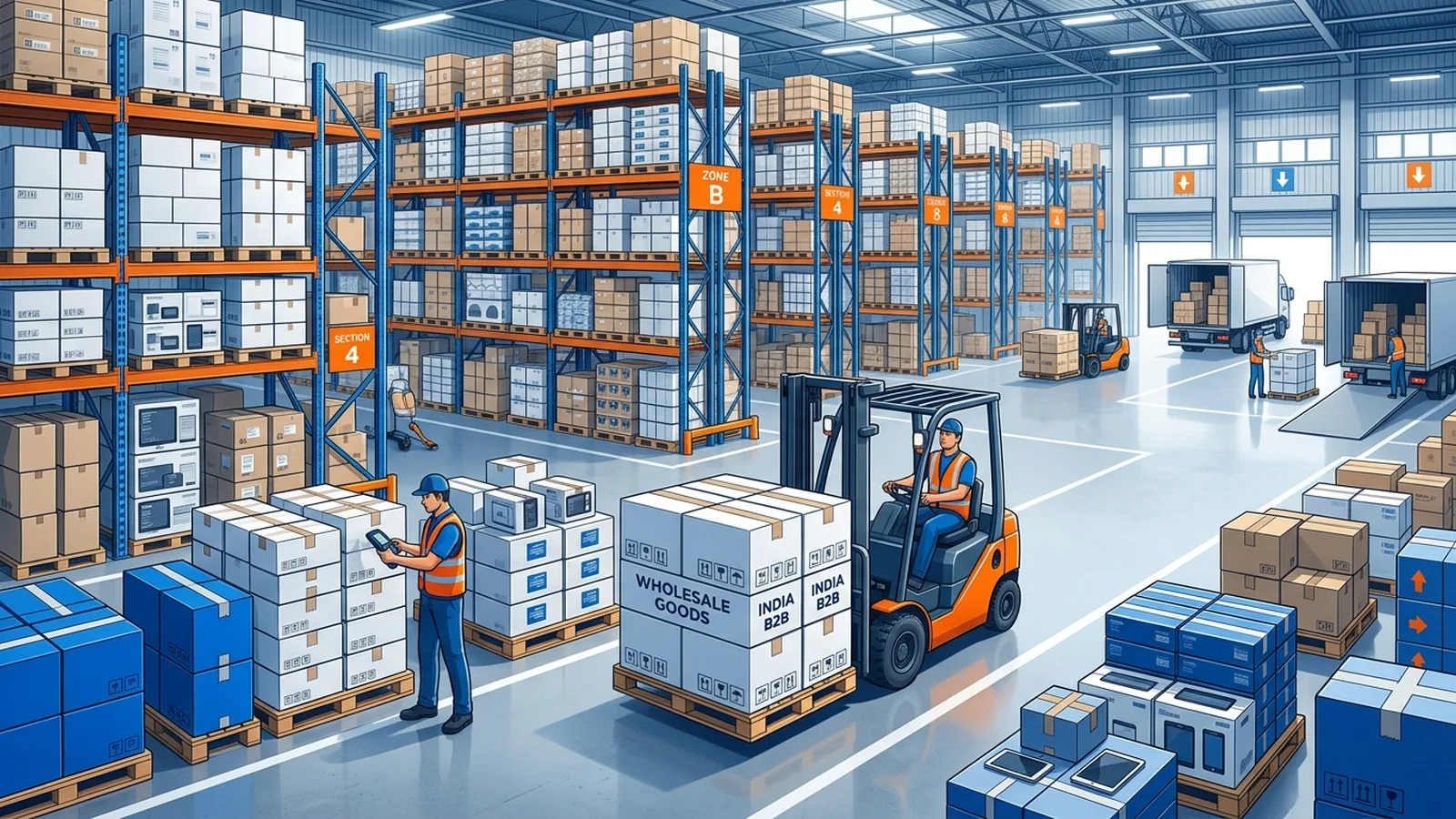
Wholesale buying represents one of the most powerful strategies for businesses looking to maximize profit margins, maintain consistent inventory, and scale operations efficiently. Whether you're launching a new retail venture, expanding an existing store, or operating as a distributor, understanding the fundamentals of wholesale purchasing can dramatically impact your bottom line. In India's rapidly growing B2B marketplace, savvy buyers who master wholesale sourcing gain a significant competitive advantage.
This comprehensive wholesale buying guide walks you through every aspect of successful B2B purchasing—from identifying reliable suppliers and negotiating favorable terms to managing quality control and leveraging modern B2B platforms. You'll discover actionable strategies used by experienced wholesalers, learn how to avoid common pitfalls, and understand how to build sustainable supplier relationships that fuel long-term business growth.
Whether you're sourcing electronics, fashion, FMCG products, home goods, or any other category, the principles outlined here will help you make informed decisions, reduce procurement costs, and establish a robust supply chain that supports your business objectives.
Understanding Wholesale Buying in India
Wholesale buying is the practice of purchasing goods in large quantities directly from manufacturers, distributors, or authorized wholesalers at significantly reduced per-unit prices. Unlike retail transactions where consumers buy individual items at marked-up prices, wholesale transactions involve bulk orders with the understanding that buyers will resell products to end consumers or other businesses.
In the Indian context, the wholesale ecosystem operates across multiple layers. Manufacturers sit at the top of the supply chain, followed by authorized distributors, regional wholesalers, and finally retailers. Each layer adds a margin, which means buying closer to the source typically yields better pricing. However, this also usually requires larger order quantities and stronger business credentials.
The Indian wholesale market has transformed dramatically with digital B2B platforms that connect buyers directly with suppliers, eliminating intermediaries and providing transparency in pricing, product availability, and supplier credentials. Platforms like DealsGoKart's wholesale catalog democratize access to wholesale inventory, making it easier for small and medium businesses to compete effectively.
The Wholesale Distribution Model
Understanding the distribution hierarchy helps you identify where to position yourself for optimal pricing:
- Manufacturer Direct: Best pricing but highest MOQ requirements, typically suitable for large retailers or distributors
- Authorized Distributors: Balanced pricing and reasonable MOQs, ideal for medium-sized operations
- Regional Wholesalers: Moderate pricing with flexible quantities, accessible for small retailers
- Liquidation & Surplus Channels: Deep discounts on excess inventory, perfect for value-focused retailers
Key Benefits of Wholesale Purchasing
Wholesale buying offers compelling advantages that directly impact profitability and operational efficiency. Understanding these benefits helps justify the investment in bulk purchasing and relationship building with suppliers.
Cost Savings and Higher Margins: The primary advantage is dramatically reduced per-unit costs. Wholesale prices typically range from 30% to 70% below retail, depending on product category and order volume. These savings translate directly into higher profit margins or competitive retail pricing that attracts more customers.
Consistent Product Availability: Wholesale relationships ensure steady inventory supply, preventing stockouts that lead to lost sales. Reliable suppliers help maintain optimal stock levels, crucial during peak seasons or promotional periods when demand spikes unexpectedly.
Business Scalability: Wholesale purchasing provides the foundation for business growth. As order volumes increase, you gain negotiating leverage for even better terms. This scalability allows you to expand product lines, open new locations, or serve larger customer bases without proportional cost increases.
Product Variety and Selection: Wholesale suppliers typically offer extensive catalogs, allowing you to diversify your offerings without dealing with multiple vendors. This variety helps you test new products, respond to market trends, and provide customers with comprehensive selection.
Types of Wholesale Products & Categories
The wholesale market encompasses virtually every product category imaginable. Understanding which categories align with your business model and target market is essential for strategic sourcing decisions.
| Category | Typical Margins | MOQ Considerations | Best For |
|---|---|---|---|
| Electronics & Accessories | 15-35% | Medium to High | Tech retailers, online sellers |
| Fashion & Apparel | 40-60% | Medium | Boutiques, clothing stores |
| FMCG & Groceries | 10-25% | High | Supermarkets, kirana stores |
| Home & Kitchen | 35-50% | Medium | Home goods retailers |
| Beauty & Personal Care | 30-50% | Low to Medium | Cosmetic shops, salons |
| Liquidation/Surplus | 50-80% | Variable | Discount stores, bargain hunters |
Specialized Wholesale Segments
Liquidation Inventory: Products from business closures, overstock situations, or seasonal clearances offer exceptional value. These lots typically sell at 10-30% of original wholesale cost, providing massive margin opportunities for discount retailers and bargain stores.
Surplus and Overstock: When manufacturers or retailers produce or order too much inventory, they sell excess stock at reduced prices. This wholesale surplus inventory represents brand-new products at significant discounts without the stigma of liquidation.
Closeout and Seasonal Items: End-of-season merchandise, discontinued models, or packaging changes create opportunities to buy quality products at fraction of original cost. Smart timing with seasonal closeouts can fuel your next season's promotions.
How to Find Reliable Wholesale Suppliers
Identifying trustworthy wholesale suppliers is arguably the most critical factor in successful wholesale buying. The right supplier partnerships provide consistent quality, reliable delivery, and competitive pricing that form the foundation of your business operations.
Traditional Sourcing Methods
Trade Shows and Exhibitions: Industry trade shows remain valuable for meeting suppliers face-to-face, examining products physically, and negotiating deals. Major cities across India host regular wholesale exhibitions for various product categories. These events allow you to compare multiple suppliers quickly and establish personal relationships.
Wholesale Markets and Hubs: India's traditional wholesale markets—like Sadar Bazaar in Delhi, Chickpet in Bangalore, or Tank Road in Mumbai—continue thriving as sourcing destinations. Visiting these markets provides direct access to numerous wholesalers, though it requires time investment and negotiation skills.
Manufacturer Direct Outreach: Contacting manufacturers directly can yield excellent pricing, though many require substantial order volumes. Research manufacturers in your product category, verify their credentials, and present your business professionally when initiating contact.
Digital Sourcing Strategies
B2B marketplaces have revolutionized wholesale sourcing by providing transparent, accessible platforms connecting buyers and suppliers nationwide. DealsGoKart's supplier network exemplifies this evolution, offering verified suppliers across multiple categories with clear pricing and terms.
Advantages of B2B Platforms:
- Supplier verification and rating systems reduce risk
- Transparent pricing eliminates negotiation guesswork
- Wide product selection from multiple suppliers in one place
- Digital documentation and payment systems streamline transactions
- Review systems provide insights from other buyers' experiences
Industry Directories and Associations: Trade associations and industry directories provide vetted supplier lists. Organizations like the Federation of Indian Chambers of Commerce & Industry (FICCI) or category-specific associations maintain supplier databases accessible to members.
Evaluating and Vetting Wholesale Suppliers
Once you've identified potential suppliers, thorough evaluation prevents costly mistakes and ensures long-term partnership viability. This due diligence process protects your investment and business reputation.
Essential Verification Steps
Business Credentials: Verify GST registration, business licenses, and incorporation documents. Legitimate wholesalers readily provide these documents. Check that business names match across all documents and that licenses are current and valid for their operating region.
Physical Verification: For significant partnerships, visit supplier premises when possible. Physical verification reveals operational scale, storage conditions, and organizational professionalism. Red flags include unwillingness to allow premises visits or addresses that don't match registration documents.
Financial Stability: Request trade references and check payment histories. Financially unstable suppliers may offer attractive initial terms but fail to deliver consistently or suddenly cease operations, disrupting your supply chain.
Quality and Reliability Assessment
Request samples before committing to large orders. Sample evaluation should assess:
- Product quality against stated specifications
- Packaging adequacy for shipping and storage
- Brand authenticity and authorization documents
- Consistency across multiple samples from the same lot
- Compliance with relevant safety and quality standards
Communication and Responsiveness: A supplier's communication quality often predicts partnership success. Evaluate response times, clarity of information, willingness to address concerns, and professionalism in all interactions. Suppliers who communicate poorly during sales negotiations typically worsen after securing your business.
Review and Reputation Research: Search online reviews, check social media presence, and inquire within business networks. Platform-based suppliers on sites like DealsGoKart benefit from aggregated buyer ratings that provide transparent reputation insights.
Negotiation Strategies for Better Wholesale Deals
Effective negotiation transforms good deals into great ones. While many factors influence wholesale pricing, skilled negotiators consistently secure better terms than those who accept initial offers without discussion.
Pre-Negotiation Preparation
Research market rates thoroughly before negotiations. Understanding typical pricing for your product category, seasonal fluctuations, and competitor costs establishes realistic expectations and strengthens your negotiating position. Knowledge is leverage—suppliers respect informed buyers and offer better terms to those who understand market dynamics.
Clarify your requirements completely: quantities needed, delivery schedules, quality specifications, and payment capabilities. Vague requirements lead to misunderstandings and weaker negotiating positions. Precise specifications demonstrate professionalism and allow suppliers to quote accurately.
Negotiation Tactics That Work
Volume Leverage: Larger orders command better per-unit pricing. If immediate volume isn't feasible, negotiate tiered pricing where rates improve as you scale, or commit to volume over time through regular reorders. Many suppliers offer graduated pricing structures rewarding growth.
Payment Terms as Negotiation Tools: Cash payments, advance payments, or shortened payment cycles often unlock discounts. While extended credit seems advantageous, offering favorable payment terms to suppliers can yield price reductions exceeding credit costs.
Long-term Partnership Positioning: Frame negotiations around ongoing relationships rather than single transactions. Suppliers invest more generously in buyers demonstrating commitment to repeated business. Discuss annual volume projections and regular ordering schedules to strengthen your position.
Competitive Comparison: Without being aggressive, indicate that you're evaluating multiple suppliers. This creates healthy competition and motivates better offers. However, maintain professionalism—threatening or antagonistic approaches damage potential partnerships.
Beyond Price Negotiations
Don't fixate solely on unit price. Negotiate comprehensive terms including:
- Free shipping or reduced delivery charges
- Flexible return policies for defective merchandise
- Extended payment terms or early payment discounts
- Marketing support or promotional materials
- Exclusive territorial rights or product lines
- Customization or private labeling options
Understanding MOQ and Wholesale Pricing
Minimum Order Quantity (MOQ) requirements significantly impact wholesale buying decisions. MOQs represent the smallest quantity suppliers will sell in a single transaction, balancing their operational costs against buyer accessibility.
Why MOQs Matter
Suppliers establish MOQs to ensure order profitability. Manufacturing runs, packaging processes, and logistics all incur fixed costs that must be distributed across sufficient units. Higher MOQs typically correlate with better per-unit pricing because fixed costs spread across more units.
For buyers, MOQs present a balancing act between cost savings and inventory risk. Ordering at MOQ may strain capital or create excess inventory that ties up cash flow and storage space. Conversely, ordering well above MOQ might secure better pricing but increase exposure if products don't sell as anticipated.
Managing MOQ Challenges
Start Small with Test Orders: When working with new suppliers or trying new products, negotiate lower initial quantities as test orders. Many suppliers accommodate smaller first-time orders to build relationships, even if pricing isn't optimal.
Diversification Strategy: Rather than buying large quantities of single items, meet MOQs through variety. Mix product variants, colors, or sizes to reach minimum thresholds while spreading risk across multiple SKUs.
Cooperative Buying: Partner with other non-competing businesses to pool orders and meet MOQs collectively. This strategy particularly benefits small retailers accessing manufacturer-direct pricing typically reserved for larger buyers.
Wholesale Pricing Structures
Understanding pricing models helps you evaluate deals and calculate true costs:
| Pricing Model | Description | Best Used When |
|---|---|---|
| Flat Wholesale Rate | Single per-unit price regardless of quantity | Small orders, standardized products |
| Tiered Volume Pricing | Price decreases at quantity thresholds | Scaling orders, building relationships |
| Contract Pricing | Special rates for committed volumes | Established relationships, predictable demand |
| Dynamic/Seasonal Pricing | Rates fluctuate with market conditions | Commodity products, fashion items |
Quality Control and Product Inspection
Quality control protects your business reputation and prevents costly returns or customer dissatisfaction. Implementing systematic inspection processes ensures products meet expectations before reaching your customers.
Pre-Shipment Inspection
Whenever feasible, inspect products before accepting delivery. Pre-shipment inspection identifies issues while goods remain supplier responsibility, avoiding disputes about when damage occurred. Check for:
- Quantity accuracy against purchase orders
- Product specifications matching agreements
- Packaging integrity and adequacy
- Expiration dates on perishable goods
- Brand authenticity and proper labeling
- Visible defects or damage
Statistical Sampling: For large shipments, inspect representative samples rather than entire quantities. Industry-standard sampling protocols (like AQL standards) provide statistically valid quality assessments without examining every unit.
Documentation and Record Keeping
Document all inspections with photos, notes, and formal reports. Proper documentation supports claims for defective merchandise and tracks supplier quality over time. Maintain records of:
- Inspection dates and findings
- Defect rates and types
- Communication with suppliers about issues
- Resolution outcomes and timeframes
This historical data helps identify problematic suppliers, supports future negotiations, and demonstrates professionalism in dispute resolution.
Managing Quality Issues
When quality problems arise, address them immediately and professionally. Contact suppliers promptly with specific details, supporting documentation, and proposed resolutions. Most reputable suppliers appreciate early notification and work collaboratively toward solutions.
Establish clear quality standards and acceptance criteria in written agreements before ordering. This prevents misunderstandings and provides objective evaluation criteria. Many disputes arise from unstated expectations rather than actual quality failures.
Payment Terms and Financial Considerations
Payment terms significantly impact cash flow and working capital management. Understanding various payment structures and their implications helps optimize financial performance while maintaining supplier relationships.
Common Payment Structures
Cash on Delivery (COD): Payment upon goods receipt offers maximum buyer protection but requires immediate cash availability. Many suppliers offer modest discounts for COD payments due to eliminated credit risk.
Advance Payment: Partial or full payment before shipment is common with new suppliers or large orders. While this increases buyer risk, advance payments often command best pricing. Mitigate risk through supplier verification and starting with smaller amounts.
Net Payment Terms: "Net 30" or "Net 60" terms allow payment 30-60 days after delivery, improving cash flow by enabling sales before payment obligations. However, this typically results in slightly higher per-unit costs and requires establishing credit relationships.
Letter of Credit: For high-value transactions or international suppliers, letters of credit through banks provide security for both parties. Banks guarantee payment upon meeting specified conditions, protecting suppliers while ensuring buyer interests.
Financial Planning for Wholesale Buying
Calculate total landed costs including product cost, shipping, taxes, duties, insurance, and storage. Many buyers focus solely on unit price while underestimating additional costs that erode margins. Comprehensive cost analysis prevents margin surprises.
Maintain adequate working capital reserves. Wholesale buying requires significant upfront investment before sales generate revenue. Plan for 2-3 months of inventory holding costs to avoid cash flow crises when products move slower than anticipated.
Consider financing options for larger purchases. Business lines of credit, inventory financing, or supplier credit arrangements can bridge cash flow gaps and enable larger orders that secure better pricing. Compare financing costs against volume discount savings to ensure economic viability.
Managing Logistics and Delivery
Efficient logistics management ensures products reach you cost-effectively and promptly, directly impacting inventory availability and customer satisfaction.
Shipping Arrangements
Clarify shipping responsibilities explicitly: who arranges transport, who pays, and who bears damage risk during transit. Common arrangements include:
- FOB (Free on Board) Origin: Buyer pays shipping and assumes risk from supplier's location
- FOB Destination: Supplier pays shipping and assumes risk until delivery
- Delivered Duty Paid: Supplier handles all logistics including duties and taxes
Each arrangement has cost and risk implications. Sometimes paying slightly higher product prices for inclusive shipping proves more economical than arranging independent transport, particularly for smaller orders or distant suppliers.
Delivery Timeframes and Reliability
Establish clear delivery timelines and incorporate them into purchase agreements. Late deliveries disrupt sales plans, stockouts, and customer commitments. Build buffer time into planning, especially for new supplier relationships or peak seasons when delays increase.
For critical inventory, consider paying for expedited shipping or maintaining safety stock. The cost of rush delivery often pales compared to lost sales from stockouts or missing promotional windows.
Storage and Warehousing
Plan storage before ordering. Wholesale quantities require adequate space with appropriate conditions—climate control for sensitive products, security for high-value items, and organization systems for efficient retrieval.
Storage costs represent hidden wholesale expenses. Calculate per-unit storage costs and factor them into profitability calculations. Sometimes smaller, more frequent orders prove more economical than large bulk purchases requiring expensive warehousing.
Common Wholesale Buying Mistakes to Avoid
Learning from others' mistakes saves costly lessons. These common pitfalls trap inexperienced wholesale buyers, but awareness and planning prevent them.
Insufficient Supplier Due Diligence
Rushing into partnerships without proper vetting leads to unreliable suppliers, quality issues, or outright fraud. Invest time in thorough supplier evaluation before committing significant capital. The hours spent researching prevent weeks spent resolving problems.
Overordering and Inventory Bloat
Attractive wholesale pricing tempts buyers to order excessive quantities. However, slow-moving inventory ties up capital, incurs storage costs, and risks obsolescence. Start conservatively, test market demand, then scale based on actual sales data rather than optimistic projections.
Ignoring Total Cost of Ownership
Focusing exclusively on unit price while neglecting shipping, storage, insurance, and financing costs creates false profitability assumptions. Calculate complete landed costs including all associated expenses for accurate margin analysis.
Inadequate Cash Flow Planning
Wholesale buying requires substantial upfront investment before revenue generation. Insufficient working capital creates crisis situations forcing desperate discounting or inability to restock popular items. Maintain financial reserves covering 60-90 days of operations.
Poor Inventory Management
Buying wholesale without inventory tracking systems leads to overstocking some items while running out of others. Implement basic inventory management—even simple spreadsheet systems—to track stock levels, sales velocity, and reorder needs.
Neglecting Relationship Building
Treating suppliers as purely transactional vendors rather than partners limits your long-term success. Invest in relationship building through consistent communication, timely payments, and mutual respect. Strong supplier relationships unlock better terms, priority treatment, and collaborative problem-solving.
Leveraging B2B Marketplaces Effectively
Modern B2B marketplaces transform wholesale buying by providing transparency, accessibility, and efficiency previously unavailable through traditional channels. Platforms like DealsGoKart aggregate thousands of wholesale opportunities, streamlining sourcing for businesses of all sizes.
Advantages of Platform-Based Buying
Supplier Verification and Trust: Reputable platforms conduct supplier verification, reducing fraud risk and due diligence burden. Rating systems and review aggregation provide social proof about supplier reliability from actual buyer experiences.
Price Transparency and Comparison: Unlike traditional wholesale where pricing requires negotiation with each supplier, platforms display clear pricing enabling instant comparison. This transparency empowers informed decisions and reveals market rates.
Streamlined Transactions: Digital documentation, integrated payment systems, and standardized processes simplify purchasing. Instead of managing separate relationships with paperwork variations, platform transactions follow consistent workflows reducing administrative overhead.
Access to Diverse Inventory: B2B marketplaces aggregate suppliers across categories and regions, providing access to products and suppliers you might never discover through traditional sourcing. This expanded reach enables product diversification and niche sourcing.
Maximizing Platform Benefits
Create complete, professional buyer profiles highlighting your business credentials, purchase history, and payment reliability. Verified, detailed profiles attract suppliers offering better terms to serious buyers versus anonymous or incomplete profiles.
Utilize search and filtering tools effectively. Most platforms offer advanced filters for product categories, pricing ranges, MOQ levels, supplier ratings, and location. Strategic filtering saves time by surfacing most relevant opportunities.
Engage with platform features like inquiry systems, watchlists, and alerts. Setting alerts for specific products or price thresholds ensures you never miss opportunities matching your criteria. Browse available wholesale inventory regularly to stay informed about new listings and market dynamics.
Leverage bulk inquiry capabilities when appropriate. Platforms enable sending standardized requests to multiple suppliers simultaneously, generating competitive quotes efficiently. Compare offers systematically across price, terms, and supplier ratings.
Building Platform Reputation
Your platform reputation influences supplier willingness to offer favorable terms. Maintain excellent buyer ratings through timely payments, clear communication, and professional conduct. Strong platform reputation opens doors to exclusive opportunities and preferential treatment.
Provide honest reviews and feedback after transactions. This contributes to platform ecosystem health while building your credibility as a serious buyer. Suppliers appreciate constructive feedback enabling service improvements.
Conclusion: Building Your Wholesale Success Strategy
Mastering wholesale buying requires combining strategic thinking, relationship building, financial discipline, and operational excellence. Success doesn't happen overnight—it develops through consistent application of sound principles, learning from experience, and adapting to market dynamics.
Start by clearly defining your product focus and target market. Understanding what you're selling and whom you're serving guides every sourcing decision. Invest time in supplier research and relationship development, recognizing that your supply chain quality directly determines your business sustainability.
Implement systematic processes for quality control, inventory management, and financial planning. These operational foundations prevent costly mistakes and scale efficiently as your business grows. Don't neglect the power of technology—leveraging B2B marketplace platforms provides competitive advantages previously available only to large enterprises.
Remember that wholesale buying is fundamentally relationship-based. While price matters, reliability, quality consistency, and mutual respect often prove more valuable than marginal cost savings. Cultivate win-win partnerships where suppliers succeed through your growth and you succeed through their support.
Stay informed about market trends, pricing dynamics, and emerging opportunities. The wholesale landscape evolves continuously—new suppliers enter markets, pricing shifts with demand, and innovative categories emerge. Continuous learning and adaptation separate thriving wholesale buyers from those merely surviving.
Most importantly, start smart but start now. Begin with manageable orders, test products and suppliers, gather data, and refine your approach based on real results. Every successful wholesale business began with that first purchase order, and each transaction builds knowledge and capability.
Ready to transform your sourcing strategy and unlock wholesale opportunities across India? DealsGoKart connects you with verified suppliers offering wholesale, liquidation, and surplus inventory at competitive rates. Explore thousands of product lots, compare suppliers transparently
Frequently asked questions
The minimum investment varies significantly by product category. Consumer electronics and fashion may require ₹50,000-₹2 lakhs, while FMCG products can start from ₹20,000-₹50,000. However, liquidation and surplus inventory on B2B platforms often have lower entry points, making wholesale accessible even for small retailers.
Ready to source smarter?
Ready to transform your sourcing strategy and unlock wholesale opportunities across India? Explore thousands of verified wholesale, liquidation, and surplus inventory lots on DealsGoKart today.